

What is Smart Home Automation and Why It Matters

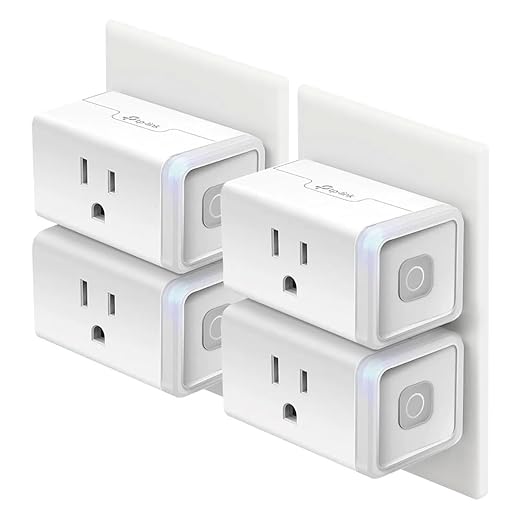

Over 70 percent of American households now own at least one smart device, highlighting a global surge in digital living. For homeowners striving to blend efficiency, security, and convenience, smart home automation promises real advantages without the steep learning curve. This guide clarifies the technology, showing how interconnected systems can simplify daily routines, protect your property, and help you confidently choose the best solutions for your home.
Table of Contents
- Smart Home Automation Defined Clearly
- Types of Smart Home Devices and Systems
- How Smart Home Automation Works
- Major Benefits For Modern Homeowners
- Security, Privacy Risks, And Common Pitfalls
Key Takeaways
| Point | Details |
|---|---|
| Smart Home Automation Enhances Convenience | Smart home automation allows centralized control of various devices, improving efficiency in everyday living. |
| Robust Security Measures Are Essential | Homeowners should adopt strong passwords and enable two-factor authentication to protect against unauthorized access. |
| Interoperability of Devices is Key | Selecting smart devices that support multiple communication protocols ensures seamless integration and future expandability. |
| Start Small to Build Confidence | It’s advisable to begin with 2-3 core devices to gradually develop a functional smart home ecosystem. |
Smart Home Automation Defined Clearly
Smart home automation represents a transformative technological approach that integrates digital connectivity and intelligent systems into residential environments. At its core, smart home automation is the integration of technology allowing automated, centralized control of home devices and systems, enabling homeowners unprecedented convenience and efficiency.
The fundamental concept involves interconnected devices communicating seamlessly to manage various home functions automatically. These systems range from simple single-device controls like smart thermostats to complex networked environments where multiple technologies interact intelligently. Modern smart home automation goes beyond basic remote control, creating adaptive ecosystems that learn from user behaviors, optimize energy consumption, and enhance overall living experiences.
Smart home technologies transform traditional living spaces by embedding computational intelligence into everyday household infrastructure. This means your home can now anticipate needs, adjust settings proactively, and provide real-time monitoring across multiple domains such as security, climate control, entertainment, and energy management. Key features typically include:
- Automated lighting adjustments based on natural light and occupancy
- Temperature regulation synchronized with personal preferences
- Security system integration with mobile device alerts
- Voice-activated device controls
- Energy consumption tracking and optimization
Pro tip: When starting your smart home automation journey, begin with one or two interconnected devices to understand the ecosystem before expanding your network.
Types of Smart Home Devices and Systems
Smart home technologies encompass a wide range of devices and systems designed to enhance residential living through intelligent automation. These technologies span multiple communication protocols and functional categories, including energy management, security, and convenience systems, providing homeowners with sophisticated options for managing their living spaces.

The primary categories of smart home devices include environmental control systems, security and monitoring devices, entertainment and connectivity solutions, and energy management technologies. Environmental control systems feature smart thermostats, automated lighting controls, and intelligent window treatments that can adjust based on temperature, time of day, or occupancy. Security devices encompass smart locks, video doorbells, motion sensors, and integrated alarm systems that can be monitored remotely through smartphone applications.
Here’s a concise comparison of major smart home device categories and their primary benefits for homeowners:
| Device Category | Typical Examples | Main Benefit |
|---|---|---|
| Environmental Controls | Thermostats, smart blinds | Energy savings, comfort |
| Security & Monitoring | Cameras, smart locks | Peace of mind, remote alerts |
| Entertainment & Connectivity | Smart speakers, TVs | Convenience, integration |
| Energy Management | Smart plugs, monitors | Lower utility costs |
| Kitchen & Garden | Smart appliances, sprinklers | Saved time, reduced waste |
Smart home technologies are increasingly characterized by their ability to communicate across different communication protocols, including Wi-Fi, Zigbee, Bluetooth, and Internet-based platforms. This interoperability allows devices from different manufacturers to work together seamlessly, creating comprehensive home automation ecosystems. Key device types include:
- Smart speakers and voice assistants
- Intelligent security cameras
- Automated climate control systems
- Smart power outlets and energy monitors
- Connected kitchen appliances
- Automated irrigation and garden management systems
Pro tip: When selecting smart home devices, prioritize systems with robust cross-platform compatibility to ensure future expandability and seamless integration.
How Smart Home Automation Works
Smart home automation functions through a complex network of interconnected devices, sensors, and sophisticated software algorithms that enable intelligent decision-making and automated responses. Advanced decision-making systems utilize real-time data processing and adaptive control mechanisms to monitor and manage home environments autonomously, transforming traditional living spaces into responsive, intelligent ecosystems.

The core operational mechanism involves three fundamental components: sensors, connectivity platforms, and intelligent control systems. Sensors continuously gather environmental data such as temperature, motion, light levels, and occupancy. These inputs are transmitted through wireless networks like Wi-Fi, Bluetooth, or Zigbee to central control hubs or cloud-based platforms that analyze the information using machine learning algorithms. The system then triggers appropriate automated responses, such as adjusting thermostats, turning lights on or off, or activating security protocols based on predefined rules and learned user preferences.
Each smart home automation system operates through a layered approach of data collection, processing, and execution. Wireless sensor networks form the first layer, collecting granular information about the home environment. The second layer involves data aggregation and analysis, where collected information is processed to identify patterns, predict potential needs, and make intelligent decisions. The final layer focuses on execution, where automated commands are sent to various devices to create seamless, responsive living experiences.
- Sensors collect environmental data
- Wireless networks transmit information
- Cloud platforms analyze data
- Intelligent algorithms make decisions
- Devices execute automated commands
Pro tip: Invest in a smart home hub that supports multiple communication protocols to ensure maximum device compatibility and future-proof your home automation system.
Major Benefits for Modern Homeowners
Smart home automation offers transformative advantages that extend far beyond simple technological convenience. Comprehensive research demonstrates significant benefits across multiple dimensions of home living, including energy efficiency, personal comfort, safety, and quality of life improvements, making these technologies increasingly attractive for modern homeowners seeking intelligent living solutions.
The primary benefits cluster around three key areas: economic savings, enhanced security, and lifestyle optimization. Economic advantages include reduced energy consumption through intelligent climate control and automated power management, potentially generating substantial long-term cost savings. Security improvements encompass real-time monitoring, remote access controls, and integrated alarm systems that provide homeowners with unprecedented peace of mind. Empirical studies reveal that smart home technologies significantly impact psychological well-being by reducing daily stress and creating more responsive living environments.
Lifestyle benefits extend into multiple domains of home management and personal convenience. Intelligent systems can now automate routine tasks, adapt to individual preferences, and create personalized home experiences. These capabilities include:
- Automatic temperature regulation
- Adaptive lighting based on occupancy and time of day
- Remote monitoring and control via smartphone applications
- Energy consumption tracking and optimization
- Enhanced accessibility for elderly and disabled individuals
- Integrated entertainment and communication systems
Pro tip: Start with 2-3 core smart home devices that address your most pressing household needs, allowing you to gradually build a comprehensive automation ecosystem.
Security, Privacy Risks, and Common Pitfalls
Comprehensive research reveals significant security and privacy challenges inherent in smart home technologies, demanding careful consideration from homeowners seeking to integrate intelligent systems into their living spaces. The rapid proliferation of interconnected devices has created complex vulnerability landscapes that extend beyond traditional cybersecurity concerns.
The primary security risks manifest across multiple dimensions, including unauthorized data access, potential surveillance vulnerabilities, and system manipulation. Cybercriminals can exploit weak network configurations, unsecured communication protocols, and device firmware vulnerabilities to gain unauthorized entry into home networks. Modern privacy risk analysis frameworks highlight the multi-dimensional nature of potential digital threats, emphasizing risks at every stage of device usage from data collection through dissemination, making comprehensive protection strategies essential for modern homeowners.
Key security and privacy risks include:
Below is a summary of key smart home automation security risks and essential homeowner precautions:
| Security Risk | Homeowner Precaution |
|---|---|
| Unauthorized network access | Use strong, unique passwords |
| Device manipulation | Regular firmware updates |
| Surveillance camera hacking | Two-factor authentication |
| Data privacy breaches | Enable encrypted communication |
| Tracking of user behavior | Limit data sharing in device settings |
- Unauthorized device access and network intrusion
- Personal data breaches and information theft
- Remote surveillance through compromised cameras
- Potential manipulation of smart home control systems
- Unintentional personal information exposure
- Vulnerability to malware and denial of service attacks
- Inadequate encryption of communication channels
- Potential tracking of personal behavioral patterns
Pro tip: Always change default passwords, use two-factor authentication, and regularly update device firmware to minimize potential security vulnerabilities in your smart home ecosystem.
Discover How Smart Home Automation Can Transform Your Living Experience
Understanding the complexities of smart home automation can feel overwhelming. From managing device compatibility to navigating security and privacy risks, every homeowner faces challenges in building a reliable and efficient smart ecosystem. If you want to enhance your comfort, boost energy savings, and secure your home with confidence, Alvir Tech is here to guide you through every step.

Explore detailed reviews, comparisons, and the latest insights on smart technology at Alvir Tech. Get expert advice on choosing devices that seamlessly work together while protecting your privacy. Visit our homepage today and start creating a smarter, safer home with practical tips and trustworthy information designed for homeowners just like you. Empower yourself now by visiting https://alvirtech.news and step confidently into the future of smart living.
Frequently Asked Questions
What is smart home automation?
Smart home automation is the integration of technology allowing centralized control and automation of home devices and systems, enabling homeowners to achieve convenience and efficiency.
How does smart home automation work?
Smart home automation works through interconnected devices, sensors, and software algorithms that gather data, analyze it, and execute automated responses to create a responsive living environment.
What are the main benefits of smart home automation?
The main benefits of smart home automation include economic savings through energy efficiency, enhanced security with real-time monitoring, and lifestyle optimization via the automation of routine tasks and personalized experiences.
What are some common security risks associated with smart home automation?
Common security risks include unauthorized network access, device manipulation, personal data breaches, and potential surveillance vulnerabilities, making it essential for homeowners to implement strong security measures.
Recommended
Article generated by BabyLoveGrowth


One Comment
Pingback: