

Why Smart Devices Matter for Modern Homes
Most American homeowners believe smart devices are just fancy add-ons, yet over 60 percent already use at least one at home. That number reveals how quickly intelligent technology has moved from novelty to necessity. For homeowners in their thirties and forties aiming to save energy and boost convenience, understanding what truly makes a device ‘smart’ cuts through common myths and confusion. This guide shows how advanced systems transform daily living and pinpoints which options deliver the strongest benefits to your home.
Table of Contents
- Defining Smart Devices And Common Myths
- Types Of Smart Devices For Homes
- How Smart Devices Improve Daily Living
- Energy Efficiency And Cost Savings Explained
- Privacy, Security Risks, And Best Practices
Key Takeaways
| Point | Details |
|---|---|
| Understanding Smart Devices | Smart devices are advanced systems that enhance living environments with autonomy and context-awareness, enabling independent decision-making. |
| Types of Smart Devices | Key categories include security, energy management, and comfort devices, each offering unique benefits to improve home efficiency and convenience. |
| Impact on Daily Living | Smart technologies contribute to personal safety, health monitoring, and convenience, significantly enhancing the quality of life for users across varied demographics. |
| Privacy and Security Awareness | Users must implement best practices such as regular updates and strong passwords to mitigate privacy risks associated with smart home devices. |
Defining Smart Devices and Common Myths
Smart devices represent more than just internet-connected gadgets; they are sophisticated technological systems designed to enhance our living environments through intelligent interactions. Modern smart devices operate within the Internet of Things (IoT) paradigm, characterized by three fundamental attributes: context-awareness, autonomy, and seamless device connectivity.
Contrary to common misconceptions, smart devices are not simply mobile or user-interactive technologies. The core definition extends far beyond basic connectivity. These intelligent systems can communicate and make decisions independently, often without direct human intervention. Whether embedded in home security systems, thermostats, or industrial monitoring equipment, smart devices fundamentally transform how we interact with technology by creating adaptive, responsive environments.
Key characteristics of smart devices include:
- Autonomous decision-making capabilities
- Context-aware sensing and response mechanisms
- Ability to communicate across multiple network platforms
- Self-optimization and learning algorithms
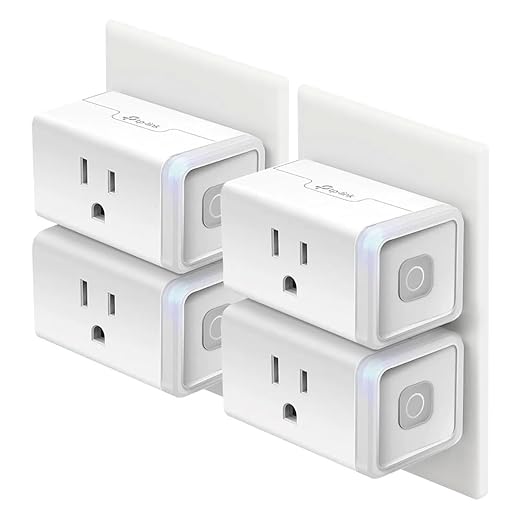
By understanding these nuanced capabilities, homeowners can better appreciate the transformative potential of smart technologies in creating more efficient, responsive living spaces. Smart plug outlet technologies exemplify how even seemingly simple devices can revolutionize home management and energy consumption.
Pro tip: When exploring smart device options, prioritize systems with robust interoperability and clear privacy protocols to maximize technological benefits while protecting personal information.
Types of Smart Devices for Homes
Smart home technologies have revolutionized residential living through an extensive array of interconnected devices designed to enhance comfort, security, and energy efficiency. Modern homes now feature sophisticated smart technologies that transform traditional living spaces into intelligent, responsive environments capable of adapting to residents’ needs and preferences.
The landscape of smart home devices can be comprehensively categorized into several key functional areas:
Security Devices:
- Smart doorbell cameras
- Motion-activated security systems
- Smart locks with remote access
- Integrated surveillance cameras
Energy Management Devices:
- Smart thermostats
- Intelligent power strips for energy monitoring
- Smart outlet adapters
- Automated lighting controls
Comfort and Convenience Devices:
- Voice-activated smart speakers
- Automated window shades
- Smart kitchen appliances
- Wireless room temperature sensors
Each category of smart devices offers unique benefits, transforming how homeowners interact with their living spaces. From enhanced security monitoring to precise energy consumption tracking, these technologies provide unprecedented levels of control and insights into home management.
Here’s a concise comparison of smart device categories, their main functions, and the core benefits they bring to a home:
| Device Category | Primary Purpose | Major Benefit |
|---|---|---|
| Security Devices | Protect access and monitor | Enhanced safety |
| Energy Management Devices | Control and reduce power use | Lower utility expenses |
| Comfort & Convenience | Automate daily routines | Greater home enjoyment |
Pro tip: When selecting smart home devices, prioritize systems with cross-platform compatibility and robust security features to ensure seamless integration and protection of your personal information.



How Smart Devices Improve Daily Living
Smart home technologies are transforming daily living experiences by creating more intuitive, responsive, and efficient home environments. These innovative systems go beyond simple convenience, offering substantial improvements in personal safety, lifestyle management, and overall quality of life across different age groups and living situations.

The most significant impacts of smart devices manifest in several critical areas of daily life:
Personal Safety and Security:
- Automated monitoring systems
- Real-time threat detection
- Remote access and control
- Instant mobile notifications
Health and Wellness Support:
- Activity tracking
- Environmental health monitoring
- Medication reminder systems
- Sleep pattern analysis
Efficiency and Convenience:
- Voice-controlled task management
- Automated home climate control
- Energy consumption optimization
- Simplified household management
These technological innovations particularly benefit individuals seeking greater independence, such as older adults and people with mobility challenges. Smart home technologies from Amazon Echo and Google Home provide practical solutions that adapt to individual user needs, creating personalized living experiences that enhance daily functionality and comfort.
Pro tip: Start with a single smart device category and gradually expand your smart home ecosystem to avoid technological overwhelm and ensure seamless integration.
Energy Efficiency and Cost Savings Explained
Advanced smart home technologies are revolutionizing energy management by providing intelligent solutions that dramatically reduce power consumption and operational costs. These sophisticated systems go beyond traditional energy monitoring, offering precise control and optimization of household energy use through cutting-edge artificial intelligence and adaptive technologies.
Key strategies for energy efficiency include:
Smart Temperature Management:
- Automated climate control
- Learning thermostats with predictive algorithms
- Zone-based heating and cooling
- Real-time energy consumption tracking
Power Consumption Optimization:
- Smart outlet scheduling
- Automatic device power-down
- Energy usage analytics
- Peak hour consumption reduction
Cost Reduction Mechanisms:
- Predictive maintenance alerts
- Detailed energy spending reports
- Automatic efficiency recommendations
- Integration with utility provider systems
Artificial neural network-based AI solutions enable homeowners to achieve unprecedented levels of energy efficiency without sacrificing comfort. By continuously analyzing usage patterns, these intelligent systems can identify and eliminate unnecessary energy waste, potentially reducing monthly utility bills by significant margins.
Pro tip: Invest in a smart power strip that automatically cuts power to devices in standby mode to minimize hidden energy consumption and reduce electricity costs.
Privacy, Security Risks, and Best Practices
Recent research reveals alarming privacy vulnerabilities in smart home technologies, highlighting critical concerns about data protection and unauthorized information access. Smart devices, while incredibly convenient, can inadvertently expose users to significant security risks through unsecured communication channels and insufficient privacy safeguards.
Key privacy and security challenges include:
Data Vulnerability Areas:
- Device identifier leakage
- Location data exposure
- Unauthorized network access
- Unprotected communication protocols
- Potential surveillance risks
Security Risk Categories:
- Network penetration vulnerabilities
- Personal information tracking
- Unauthorized device control
- Potential identity theft mechanisms
- Unexpected data collection practices
To mitigate these risks, homeowners must adopt a comprehensive approach. A multi-dimensional privacy risk analysis framework recommends strategic protection strategies addressing technical, behavioral, and regulatory dimensions of smart home security.

Critical protective measures involve regularly updating device firmware, using strong network passwords, implementing two-factor authentication, and carefully reviewing device privacy settings before integration into home networks.
Below is a summary of effective privacy and security strategies for smart homes and why they matter:
| Strategy | Importance | Expected Result |
|---|---|---|
| Regular Firmware Updates | Prevents old vulnerabilities from spreading | Lowers hacking risk |
| Strong, Unique Passwords | Secures user accounts and access | Reduces unauthorized access |
| Two-Factor Authentication | Adds extra layer of security | Increased device protection |
| Separate Guest Network | Limits damage if device is breached | Main home data shielded |
Pro tip: Create a separate guest network for smart home devices to isolate potential security vulnerabilities and protect your primary network infrastructure.
Discover How Smart Devices Can Transform Your Home Today
Understanding why smart devices matter is the first step toward creating a safer, more efficient, and comfortable living environment. This article highlights challenges like energy waste, privacy risks, and the need for better home automation control—problems many homeowners face every day. If you are aiming to improve security, optimize energy use, or add seamless convenience with devices such as smart plug outlets or voice-activated assistants, knowledge is your best tool.

Take charge of your smart home journey by exploring expert reviews and practical guides at Alvir Tech. Dive deeper into smart plug outlet technologies or compare top smart speakers like Amazon Echo and Google Home. Dont wait to enjoy a safer, more energy-efficient home — start learning how to make smart devices work for you today at Alvir Tech.
Frequently Asked Questions
What are smart devices and how do they work?
Smart devices are technologically sophisticated systems designed to enhance living environments through intelligent interactions. They operate within the Internet of Things (IoT) framework, featuring capabilities like context-awareness, autonomy, and seamless connectivity, allowing them to communicate and make decisions independently.
How can smart devices improve home security?
Smart devices enhance home security through features like motion-activated security systems, smart doorbell cameras, and remote-access smart locks. These devices provide real-time monitoring and notifications, ensuring homeowners are alerted to any potential threats.
What are the benefits of smart energy management devices?
Smart energy management devices, such as smart thermostats and intelligent power strips, help homeowners optimize energy consumption, reduce utility expenses, and improve overall energy efficiency. They can automatically adjust settings based on real-time usage patterns and provide insights into energy consumption.
How can I ensure the privacy and security of my smart devices?
To protect the privacy and security of your smart devices, regularly update firmware, use strong and unique passwords, enable two-factor authentication, and consider creating a separate guest network for your smart home devices to limit potential vulnerabilities.
Recommended
- Smart Living –
- Boost Energy Efficiency with Smart Outlets
- Home Electronics –
- best smart plugs –
- What Is a Smart Projector? 2025 Guide for Malaysia – Projector Display


3 Comments
Md anowar Dr
I’m very happy for the update support and proses the place in the best interest way
Md anowar Dr
Support and proses is the great work
Md anowar Dr
This is the most important part of the place in the best way