

Benefits of Installing Solar Power Outlets


Benefits of Installing Solar Power Outlets
Ever been at the perfect campsite, only to watch your laptop battery die? Or stuck at home during a power outage, wishing you could charge your phone? The solution is what many call a “solar power outlet”—your own personal wall outlet, powered by the sun.
This system is a simple team of two: a portable power station (a power bank on steroids with standard AC outlets) and a foldable solar panel to charge it. Together, this portable solar panel kit with AC inverter gives you the freedom of electricity anywhere, anytime. This guide explains how it works, what you can run, and how to choose the right one for your adventures or emergencies.

What is a Solar Generator?
Contrary to its name, a “solar generator” doesn’t actually generate power. It’s a large, rechargeable battery pack in a portable box with familiar outlets—like the AC wall plugs in your house and the USB ports you use daily. It’s best understood as a super-sized power bank capable of handling bigger electronics like laptops, fans, or even a mini-fridge.

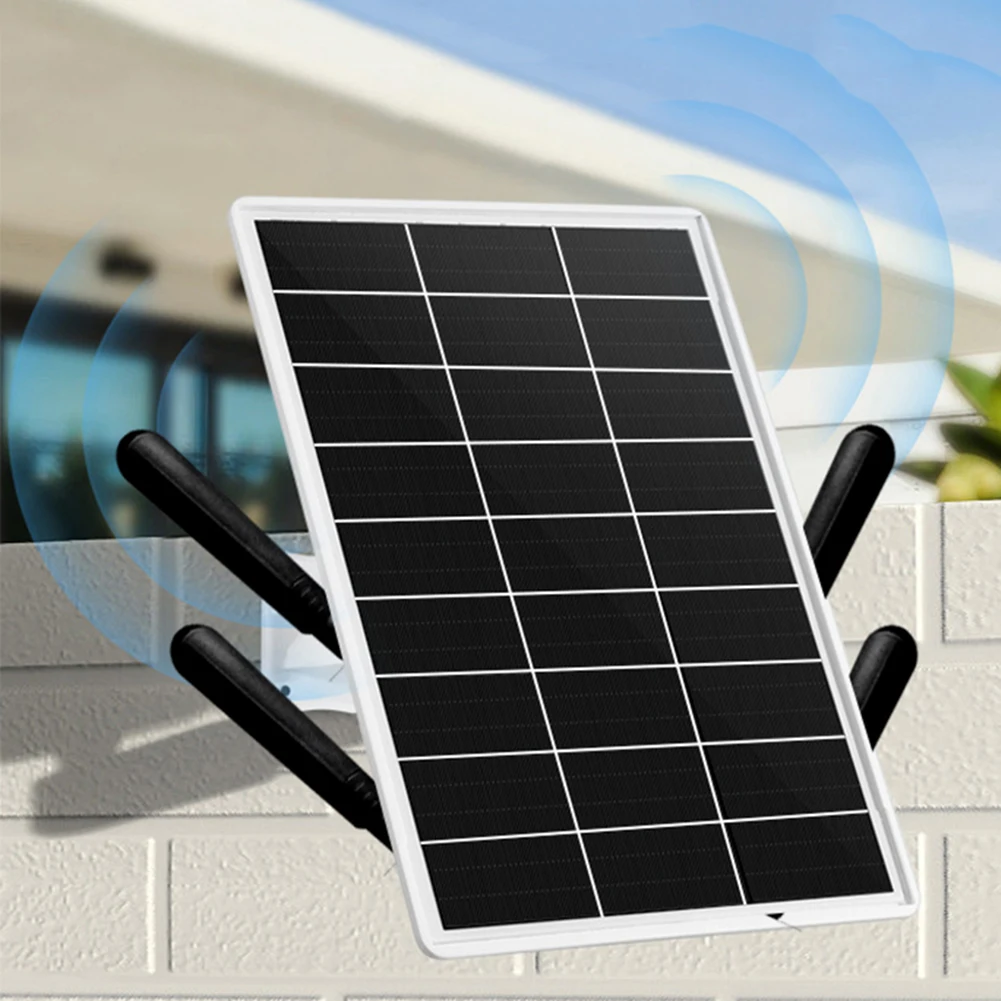
The solar panel itself is a separate component. Its only job is to act as a charger for the battery box. You lay the panel in the sun and plug it into the power station to fill it with energy. Once the box is charged, you can unplug the panel and take your portable power anywhere you need it, day or night.
This is what makes it different from a noisy, gas-powered generator that has to burn fuel to create electricity on the spot. A solar power station works silently because it’s simply storing energy it has already collected, like a water tank saving rain for a dry day. It’s a silent, fume-free “gas can” of electricity that you can fill up for free.
From Sunshine to Your Screen: The Energy’s Journey
Plugging Solar Panels Directly Into An Outlet | Surprising Results
Sunlight hits the solar panel, which converts that light into electricity. This electricity then travels through a cable to fill up the battery inside your power station. The station is now a reservoir of stored energy, ready for you to use whenever you need it.
Inside that battery, the electricity is stored as Direct Current (DC). Think of DC power as a simple, one-way street—a steady flow of energy perfect for charging smaller electronics. This is the same type of power your car battery uses and it’s why power stations have USB ports; they can deliver that raw DC power directly to your phone or tablet without any extra steps.
But what about your bigger devices, like a lamp or a small TV? They’re designed for the power that comes from your wall outlets at home, which is called Alternating Current (AC). To make this happen, the power station uses a clever device called an inverter. The inverter’s sole job is to take the battery’s one-way DC power and convert it into the two-way AC power your appliances need. It’s the essential translator that gives you those familiar three-prong outlets, turning your portable battery into a go-anywhere wall socket.

What Can You Actually Power? From Emergency Essentials to Outdoor Fun
The answer to what you can run lies in a simple measurement called the Watt (W). Think of Watts as a device’s “thirst” for electricity. A device with a low Watt number is a light sipper, while one with a high number is much thirstier. Your power station can only quench so much thirst at once.
To give you a real-world idea, most power stations can easily handle common electronics used for camping or during a short power outage. Here’s a quick look at what some everyday items typically draw:
- LED Lamp: 10 Watts
- Wi-Fi Router: 15 Watts
- CPAP Machine: 50 Watts
- Laptop: 60 Watts
- Mini-Fridge: 80 Watts
- TV (42-inch LCD): 100 Watts
You can find this number on almost any device you own. Just check the fine print on the charger brick or the back of the appliance itself—you’ll see a number followed by a “W”. As long as that number is below your power station’s maximum output, you can plug it in. But knowing if a device will run is only half the story; the next question is for how long?
How to Pick the Right Size: Your ‘Gas Tank’ Explained with Watt-Hours
If Watts measure how thirsty your device is, then Watt-hours (Wh) measure the size of your power station’s “gas tank.” It’s the total amount of energy stored in the battery, ready to be used. This single number is the most important factor in determining how long you can power your gear before the battery runs dry. A bigger number simply means more power is on reserve.
Figuring out runtime is surprisingly simple. Just take the battery’s total Watt-hours and divide it by the Watts your device uses. The result is roughly how many hours you’ll have. The formula is: Battery Capacity (Wh) ÷ Device’s Thirst (W) = Runtime (Hours). This straightforward math empowers you to look at any power station and know exactly what it can do for you.
For example, if you need to run a 50-Watt CPAP machine for a full 8 hours overnight during an outage, you would multiply the device’s Watts by the hours needed (50 W x 8 hours). This tells you that you require a battery with at least 400 Watt-hours. Armed with this knowledge, you can easily filter out stations that are too small and focus only on the ones that meet your critical needs.
By understanding both Watts and Watt-hours, you’re no longer guessing; you’re calculating exactly what you need for your electronics. This ability to quietly and cleanly power your essentials is a major reason why many are choosing these systems over traditional options.
Solar vs. Gas Generators: Why Quieter and Cleaner is Better for Home Backup
For many, the go-to for emergency power has been the classic gas generator. But anyone who has used one knows the trade-offs: the constant, deafening roar and the smelly exhaust fumes. A solar generator, on the other hand, operates in complete silence. Since it’s essentially a large, quiet battery, you can use it anywhere without disturbing your family or your neighbors, whether you’re at a campsite or in your own backyard during a blackout.
That outdoor-only rule for gas generators isn’t just about the noise; it’s a critical safety requirement. Gas engines produce carbon monoxide, an invisible and odorless gas that is extremely dangerous to breathe. This is why you can never run a gas generator indoors, in a garage, or even near a window. In stark contrast, a solar generator produces zero fumes, making it the only option that is completely safe to use inside your home. You can place it right in your living room to power a lamp and router or next to your bed for a medical device.
Beyond the immediate safety and noise benefits, there’s also the matter of sheer convenience. Gas generators require a constant supply of fresh fuel, regular oil changes, and maintenance to keep them ready. A solar power station simply needs to be kept charged, either from a wall outlet before a storm or from solar panels during a longer outage. This grab-and-go readiness, combined with its indoor safety, makes it an incredibly flexible tool for any modern home.
Practical Tips for Your Solar Station: Balcony Power and Extension Cords
Your power station is in the living room, but the lamp you need is in the bedroom. Can you plug an extension cord into a solar generator? Absolutely. The AC outlets on the unit work just like your wall outlets, making it safe and easy to run power exactly where you need it, without having to move the heavy battery.

You also don’t need a big yard to go solar. For apartment dwellers, using solar panels for a balcony is a perfect solution. As long as your balcony gets a few hours of direct, unobstructed sunlight, you can easily charge your station and create your own personal solar power outlet, right in the city.
For the fastest charge, remember to angle your panel. Instead of laying it flat, prop it up to face the sun directly. Think of it like catching rain in a bucket—pointing it toward the source gathers more, faster. This simple adjustment helps your panel capture the maximum amount of energy.

Your First Step to Energy Independence
What started as a ‘solar power outlet’ is now clear: a simple and powerful system combining a portable battery station with a solar panel. This gives you clean, silent power for camping adventures and reliable security during a home power outage. Instead of confusing specifications, you now have the tools to understand a system’s true capabilities.

The first step to finding the right fit is simple. Pick one device you’d want to power in an emergency and find its Wattage (W) on the charger or appliance label. This single number is the key to choosing a portable power station that truly meets your needs.


Floridians should be free to lessen the impact of electricity rate increases with plug-in solar theinvadingsea.com...
Retiree discovers super-low-cost alternative to rooftop solar panels: 'Will I live long enough for the investment to pay off?' The Cool Down...
Forget Rooftops — Bay Area Residents Are Plugging Solar Into the Wall KQED...
Utah’s Energy Future Includes Plug-In Solar On Balconies The Business Download |...

You May Also Like
