

Smart Homes: An Introduction to the Future of Living


Introduction to the Future of Living
The concept of a smart home, once relegated to the realm of science fiction, is now a tangible reality. Driven by advancements in technology and a growing desire for convenience, security, and energy efficiency, smart homes are rapidly transforming the way we live. This comprehensive guide will delve into the intricacies of smart home technology, exploring its components, benefits, security considerations, and future trends. Prepare to embark on a journey into the interconnected world of home automation and discover how you can elevate your living space to a new level of intelligence and comfort.
What Exactly is a Smart Home?
At its core, a smart home is a residence equipped with internet-connected devices that can be remotely monitored and controlled. These devices, often referred to as smart devices, automate tasks that are typically performed manually, such as adjusting the thermostat, turning on lights, or locking doors. The integration of these devices creates a network that allows them to communicate with each other and with a central hub, often controlled through a smartphone app, voice commands, or automated routines. This interconnectedness allows for a seamless and personalized living experience. The overall purpose of a smart home is to enhance the comfort, convenience, security, and energy efficiency of a residence. A smart home offers a level of automation and control previously unimaginable.

The Core Technologies Powering Smart Homes
Several key technologies underpin the functionality of a smart home. These include:
- Internet of Things (IoT): The backbone of any smart home, the IoT enables devices to connect to the internet and communicate with each other.
- Wireless Communication Protocols: Protocols like Wi-Fi, Bluetooth, Zigbee, and Z-Wave facilitate communication between devices. Each protocol has its strengths and weaknesses in terms of range, bandwidth, and power consumption. Wi-Fi is prevalent for devices requiring high bandwidth, while Zigbee and Z-Wave are often preferred for low-power sensors and actuators.
- Cloud Computing: Many smart home devices rely on cloud services for data storage, processing, and analysis. This allows for remote access and control of devices, as well as advanced features like voice recognition and machine learning.
- Mobile Apps and Voice Assistants: User interfaces such as mobile apps and voice assistants (like Amazon Alexa, Google Assistant, and Apple Siri) provide intuitive ways to control and manage smart home devices.
- Artificial Intelligence (AI): AI algorithms are increasingly being used to personalize smart home experiences, automate tasks, and optimize energy consumption. For example, AI can learn your preferences and automatically adjust the thermostat or lighting based on your habits.
Key Components of a Smart Home Ecosystem
A smart home ecosystem comprises various interconnected devices designed to automate different aspects of home living. These components work together to create a seamless and intelligent living environment.
Smart Lighting: Control and Automation
Smart lighting systems offer unparalleled control over the lighting in your home. You can remotely control lights, adjust brightness levels, and even change colors using a smartphone app or voice commands. Smart bulbs can be programmed to turn on and off at specific times, creating schedules that mimic occupancy to deter burglars. Motion sensors can trigger lights to turn on automatically when someone enters a room, providing added convenience and security. Features like geofencing can automatically turn on lights as you approach your home, creating a welcoming atmosphere. Smart lighting dramatically transforms the ambiance and functionality of your living space.
Smart Thermostats: Energy Efficiency and Comfort
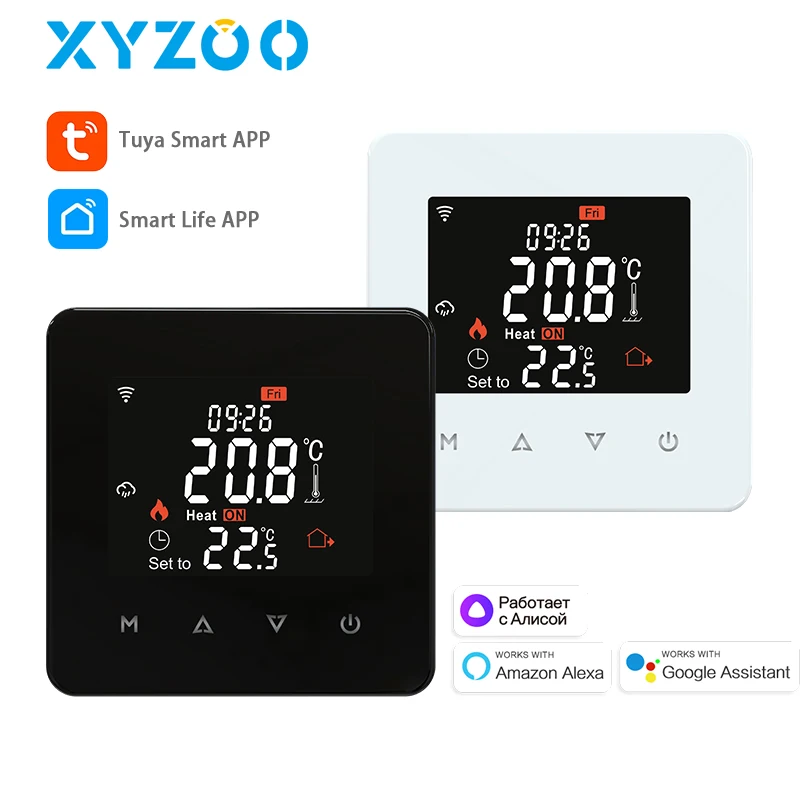
Smart thermostats learn your heating and cooling preferences and automatically adjust the temperature to maximize energy efficiency and comfort. They can be programmed to lower the temperature when you’re away from home and raise it when you’re returning, saving energy and reducing your utility bills. Many smart thermostats also offer features like remote control, allowing you to adjust the temperature from anywhere with an internet connection. Some models integrate with weather forecasts to proactively adjust the temperature based on anticipated conditions. Smart thermostats are a cornerstone of energy-efficient smart homes.
Smart Security Systems: Protecting Your Home
Smart security systems provide comprehensive protection for your home and family. These systems typically include features like door and window sensors, motion detectors, security cameras, and smart locks. You can monitor your home remotely through a smartphone app and receive alerts when suspicious activity is detected. Smart locks allow you to remotely lock and unlock your doors, grant access to guests, and track who enters and exits your home. Some systems also offer professional monitoring services, providing an added layer of security. Smart security systems offer peace of mind and enhanced protection against intruders.
Smart Entertainment: Immersive Audio and Visual Experiences
Smart entertainment systems elevate your home entertainment experience with immersive audio and visual capabilities. Smart TVs offer access to a vast library of streaming content, while smart speakers provide high-quality audio and voice control. You can create multi-room audio systems that allow you to play music throughout your home. Smart projectors can transform any room into a home theater. Integrating these devices with voice assistants allows for seamless control of your entertainment system using voice commands. Smart entertainment systems enhance your leisure time and create a more enjoyable living environment.
Benefits of Investing in a Smart Home

The benefits of investing in a smart home extend beyond mere convenience. Smart home technology offers a range of advantages that can significantly improve your quality of life.
Increased Energy Efficiency and Cost Savings
Smart home devices can help you save energy and reduce your utility bills. Smart thermostats optimize heating and cooling, smart lighting systems reduce energy consumption, and smart appliances can be programmed to operate during off-peak hours. By automating energy-intensive tasks and providing insights into your energy usage, smart homes empower you to make informed decisions and reduce your environmental footprint. The long-term cost savings associated with energy efficiency can make a smart home a worthwhile investment.
Enhanced Home Security and Safety
Smart security systems provide enhanced protection for your home and family. Remote monitoring, motion detection, and smart locks deter burglars and provide peace of mind. Smart smoke detectors and carbon monoxide detectors can alert you to potential hazards, even when you’re away from home. Some systems also offer emergency response features, allowing you to quickly contact emergency services in the event of a crisis. Smart home technology contributes to a safer and more secure living environment.
Improved Convenience and Comfort
Smart home devices automate many of the mundane tasks that consume your time and energy. You can control your lights, thermostat, and appliances from anywhere with a smartphone app or voice commands. Smart home technology creates a more convenient and comfortable living environment, freeing up your time to focus on the things that matter most. From automated routines to personalized settings, smart homes adapt to your lifestyle and preferences.
Where to Buy Elite Smart Home Solutions
Finding the right smart home devices can be overwhelming with so many options available. Several reputable retailers offer a wide selection of smart home products.
Exploring Options on AliExpress
AliExpress offers a vast selection of smart home devices at competitive prices. It’s a great place to find a wide range of products from various manufacturers, including smart lighting, security systems, and entertainment devices. While browsing on AliExpress, remember to carefully review product descriptions and customer reviews to ensure quality and compatibility.
Navigating Smart Home Deals on eBay
eBay is another excellent resource for finding smart home deals, both new and used. You can often find discounted prices on popular brands and models. When purchasing on eBay, be sure to check the seller’s reputation and read the item description carefully to avoid any surprises. Both AliExpress and eBay provide platforms to explore different smart home solutions and potentially find cost-effective options.
Smart Home Security Considerations and Best Practices

While smart homes offer numerous benefits, it’s crucial to address the potential security risks associated with connected devices. Protecting your smart home network from cyber threats is essential to ensure the privacy and safety of your data.
Protecting Your Smart Home Network from Cyber Threats
Here are some best practices for securing your smart home network:
- Use Strong Passwords: Change the default passwords on all your smart home devices and use strong, unique passwords for each device. Avoid using easily guessable passwords like “password” or “123456.”
- Enable Two-Factor Authentication (2FA): Whenever possible, enable 2FA on your smart home accounts. This adds an extra layer of security by requiring a second verification method, such as a code sent to your phone.
- Keep Your Devices Updated: Regularly update the firmware and software on your smart home devices to patch security vulnerabilities. Manufacturers often release updates to address security flaws, so it’s important to keep your devices up to date.
- Secure Your Wi-Fi Network: Use a strong password for your Wi-Fi network and enable WPA3 encryption, which is the most secure Wi-Fi protocol available.
- Segment Your Network: Consider creating a separate Wi-Fi network for your smart home devices. This can help to isolate your smart home devices from your other devices, such as your computers and smartphones, in case one of your smart home devices is compromised.
- Disable Unnecessary Features: Disable any unnecessary features on your smart home devices, such as remote access if you don’t need it.
- Monitor Your Network Activity: Regularly monitor your network activity for suspicious behavior. Many routers offer features that allow you to track which devices are connected to your network and what they are doing.
ZigBee Smart PIR Motion Sensor Human Detector Scene Linkage With Foot Stand
Smart Home FAQs: Addressing Common Questions
Many people have questions about smart home technology and its implementation. Here are some answers to frequently asked questions.
How Much Does it Cost to Automate a Home?
The cost of automating a home can vary widely depending on the extent of automation desired and the specific devices chosen. A basic setup with smart lighting and a smart thermostat might cost a few hundred dollars, while a comprehensive system with security cameras, smart appliances, and advanced automation features could cost several thousand dollars. It’s important to budget carefully and prioritize the features that are most important to you. Costs can range from budget-friendly to premium, reflecting the breadth of available technology.
What are the Best Smart Home Devices for Beginners?
For beginners, it’s best to start with a few essential smart home devices that are easy to set up and use. Smart speakers, smart lighting, and smart thermostats are all excellent starting points. These devices are relatively affordable and can provide a noticeable improvement in convenience and comfort. As you become more comfortable with smart home technology, you can gradually expand your system with more advanced devices.
Is a Smart Home Really Worth the Investment?
The value of a smart home depends on your individual needs and priorities. If you value convenience, energy efficiency, security, and enhanced entertainment, then a smart home can be a worthwhile investment. However, it’s important to carefully consider the costs and potential security risks before making a decision. Weighing the benefits against the drawbacks will help you determine if a smart home is right for you. Factors such as increased home value and potential insurance discounts can also contribute to the overall return on investment.
Future Trends in Smart Home Technology
The future of smart home technology is bright, with ongoing advancements promising even more sophisticated and personalized experiences.
The Rise of AI and Machine Learning in Smart Homes
AI and machine learning are poised to play an increasingly important role in smart homes. AI algorithms will be used to personalize smart home experiences, automate tasks, and optimize energy consumption. For example, AI could learn your daily routines and automatically adjust the lighting, temperature, and music to create the perfect atmosphere. AI-powered security systems could detect suspicious activity with greater accuracy and respond more effectively to threats. The integration of AI will make smart homes even more intelligent and intuitive.
Smart Homes and the Internet of Things (IoT)
The Internet of Things (IoT) will continue to drive innovation in the smart home market. As more and more devices become connected to the internet, the possibilities for smart home automation will expand. We can expect to see even more seamless integration between different devices and systems, creating a truly interconnected and intelligent living environment. The proliferation of IoT devices will lead to a more connected and automated world, transforming the way we live and interact with our surroundings.
Conclusion: Embracing the Smart Home Revolution

Smart homes represent a significant shift in the way we interact with our living spaces. By embracing technology and automation, we can create homes that are more convenient, comfortable, secure, and energy-efficient. While there are security considerations to address, the benefits of smart home technology are undeniable. As technology continues to evolve, we can expect smart homes to become even more intelligent, personalized, and integrated into our lives. The smart home revolution is underway, and it promises to transform the way we live for years to come. It’s no longer a matter of if, but when and how deeply we integrate these technologies into our daily routines.



You May Also Like

Mini PC for Home Assistant: Best Options and Setup Guide

Why Choose Smart Speakers: Enhancing Modern Living
