

How to Choose a Solar-Powered Cellular Security Camera (No Wi‑Fi Needed)
How to Choose a Solar-Powered Cellular Security Camera (No Wi‑Fi Needed)
Have a part of your property you wish you could keep an eye on, but your Wi-Fi signal just won’t reach? Whether it’s a back gate, a detached barn, or a boat dock, that limitation can be frustrating. For years, the common wisdom was clear: no Wi-Fi, no security camera. A new kind of camera, however, offers complete freedom from both cables and network limitations.
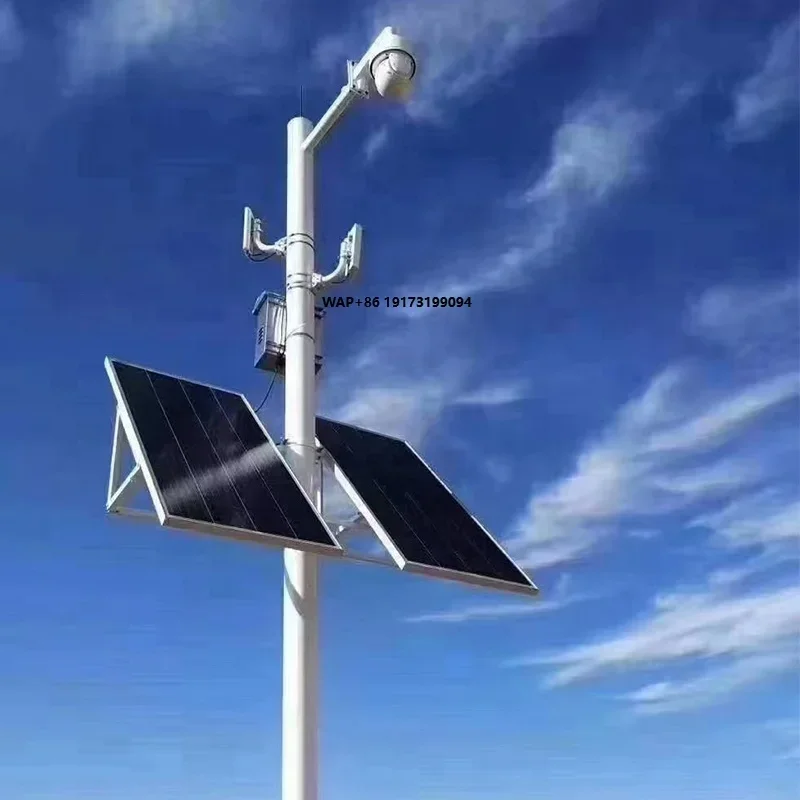
Meet the cellular security camera with solar panel. Instead of using your home Wi-Fi, this device works just like your smartphone, using a 4G cell signal to send video directly to your phone. This makes it the perfect remote location security camera where no Wi-Fi can touch, giving you a live view from virtually anywhere with cell service.

Power isn’t an issue either. A small solar panel continuously charges the camera’s internal battery, offering reliable security for property without electricity. This all-in-one system truly cuts the cord, eliminating the need for both Wi-Fi and power outlets.
How Do Solar Security Cameras Work Without Wi-Fi?
These go-anywhere cameras operate on a self-sufficient system with three key parts: the camera itself, a solar panel, and a built-in cellular connection. These components work together to create a security solution that needs neither a power outlet nor an internet router.
Instead of a power cord, a small solar panel soaks up sunlight to charge a large internal battery. This is the secret to how the camera keeps watch all night or even through several cloudy days, as it’s always storing power for when it’s needed most.

When the camera detects motion or you check the live view, it doesn’t look for a Wi-Fi signal. In the cellular vs. wifi security camera debate, this is the crucial difference. It uses its own 4G LTE connection to send video footage directly to an app on your phone, no matter how far away you are.
The sun charges the battery, the battery powers the camera, and the camera uses its cellular link to keep you connected. Because the device operates on a mobile network, it requires its own data subscription to function.
The Cellular Plan: Your Camera’s Connection to the World
Because a cellular security camera operates independently, it needs a SIM card to access a mobile network. This allows it to send video and alerts to you. You generally have two options for a data plan for a 4G security camera:
- Bundled Plans: Offered by the camera maker (e.g., Reolink, Arlo).
- Specialty Providers: Companies like EIOTCLUB that focus on data for IoT devices.
- Major Carriers: Adding a data-only line to your existing T-Mobile or AT&T plan.
These plans are designed for the low data needs of a security camera, as data is only used during motion events or live viewing. For typical use, most people find their monthly cost is between $10 and $20—a small price for having security anywhere you need it.

Will It Work in Winter? Solar Power and Battery Life Explained
The key to year-round operation is the internal battery. The solar panel’s main job isn’t to run the camera directly; it’s to constantly charge a powerful, built-in battery. This energy bank ensures your outdoor camera with solar power keeps running all night, through rainy spells, and even during a string of cloudy winter days.

Battery capacity is measured in milliamp-hours (mAh). Think of mAh like the size of a car’s gas tank—a bigger number means it can go much longer before needing a refill. A camera with a 5,000 mAh battery might last a couple of days without sun, but one with a 15,000 mAh battery could potentially run for over a week. So, do solar security cameras work in winter? Absolutely, as long as they start with a full “tank” of energy.
A larger, more efficient solar panel can also gather more energy in fewer hours of sunlight. If you live in an area with long winters or frequent overcast weather, prioritizing a model with both a high-capacity battery (10,000 mAh or more) and a physically larger solar panel is your best bet for year-round peace of mind.
5 Key Features Your Off-Grid Camera Absolutely Needs
To ensure you get a reliable and useful device, look for this combination of features. Each one plays a critical role in providing true peace of mind, especially for a remote 4G LTE solar powered security camera.
- 1. Clear Night Vision: Threats often happen in the dark. Look for a quality outdoor camera with night vision and solar power, which will offer either infrared (for crisp black-and-white video) or full-color night vision.
- 2. Smart Motion Detection: Instead of alerting you for every swaying branch, smart detection uses AI to differentiate between people, vehicles, and other motion. This drastically reduces false alarms and saves precious battery life and mobile data.
- 3. Certified Weatherproofing: Your camera will live outside, so it needs to be tough. Look for an IP65 rating or higher, which certifies that the camera is sealed against heavy rain, dust, and snow.
- 4. Two-Way Audio: A built-in microphone and speaker let you hear what’s happening and speak through the camera from your phone. It’s perfect for greeting a visitor or warning off a trespasser.
- 5. Local SD Card Storage: A local SD card slot means the camera is always recording, even if the cellular connection temporarily drops. It’s an essential backup that ensures no event is ever missed.
How to Install a Solar Panel Security Camera in 15 Minutes
Installing a solar panel security camera is a straightforward DIY security camera project. Forget calling an electrician or drilling through walls. With just a few screws and a smartphone, you can have your camera running in under 15 minutes.

The physical installation involves mounting the camera and its solar panel. The most critical step is placing the panel where it gets several hours of direct, south-facing sunlight, clear of any shade from trees or roof overhangs. This ensures the battery stays charged for reliable day-and-night operation.
Connecting the camera to your phone is even simpler. After downloading the companion app, you’ll be prompted to connect the device, usually by scanning a QR code on the camera with your phone. The app takes over from there, automatically linking the two in seconds.

A Real-World Comparison: Reolink Go vs. Arlo Go 2
Comparing popular models like the Reolink Go vs. Arlo Go 2 shows how brands approach this technology. A Reolink camera is often like an “unlocked” phone—it gives you the freedom to choose a SIM card and data plan from various compatible carriers. In contrast, Arlo typically partners with a specific provider, like Verizon, which can simplify setup but may offer less flexibility.
The Arlo Go 2 also introduces a clever hybrid feature: it can connect to both Wi-Fi and cellular networks. It uses your free home Wi-Fi when available, automatically switching to its 4G LTE solar powered security camera connection only when out of range. This is ideal for an RV, which needs security both in your driveway (on Wi-Fi) and at a remote campsite (on cellular).
Choosing the best off-grid security camera system comes down to your specific needs. If you require a camera for a fixed remote location and want full control over your data provider, a model like Reolink’s might be a better fit. If your camera will move between areas with and without Wi-Fi, the data-saving hybrid approach of the Arlo Go 2 is a powerful advantage.
Is a Solar Cellular Camera Right For You?
To decide if a solar cellular camera is the right tool for you, answer these three questions:
- Is my camera location beyond my Wi-Fi’s reach?
- Is there no convenient power outlet nearby?
- Do I need the peace of mind of checking in from anywhere?
If you answered “yes” to all three, this technology is likely a strong fit. Just remember to budget for both the one-time camera cost and the small monthly data fee.
This technology isn’t just about security; it’s about freedom. Whether for solar powered camera for farm security or monitoring a construction site remotely, you’re no longer limited by wires or signals. True off-grid security and the peace of mind that comes with it are now completely within your grasp.
Best Solar Powered Security Cameras 2026 | Which One Should You Buy?

You May Also Like

Best Solar Security Camera: Buying Guide

TechoElite Smart Homes Only: What They Offer and How to Get Started
