
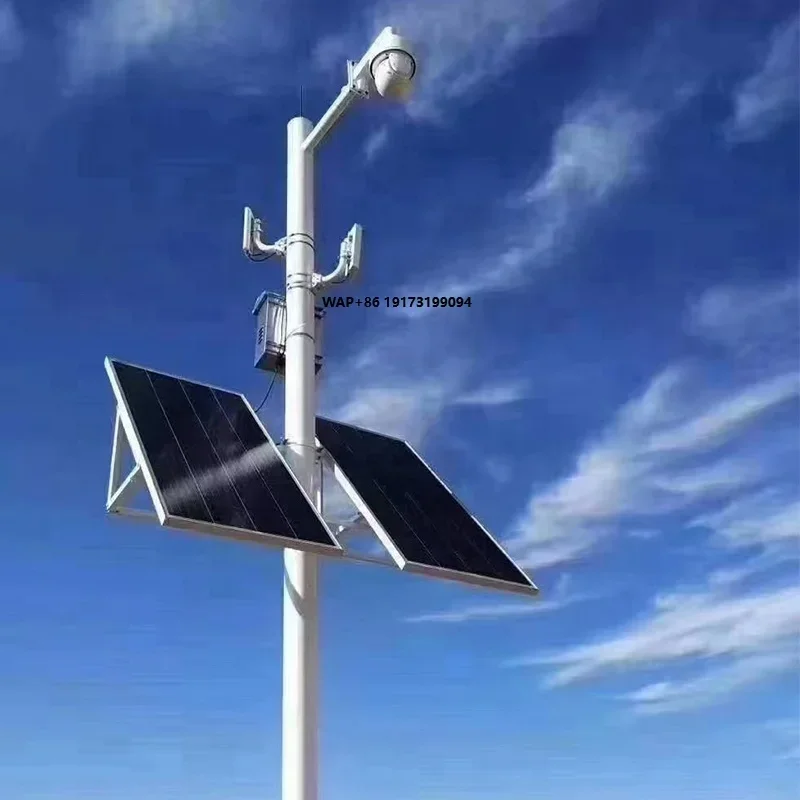
Off-Grid Security Cameras: How to Secure Remote Properties Without Power or Wi‑Fi
Off-Grid Security Cameras: How to Secure Remote Properties Without Power or Wi‑Fi
You love your remote cabin or quiet plot of land, but when you’re miles away, a nagging question can creep in: is everything okay? For years, keeping an eye on a property without power or Wi-Fi felt nearly impossible, leaving valuable assets like construction sites, farms, and vacation homes vulnerable.
A new generation of off-grid security cameras is designed for this exact challenge. These self-sufficient devices bring their own power and internet connection, making remote property surveillance simpler and more accessible than ever. This guide explores how these cameras stay powered, send alerts to your phone, and what essential features to look for.
What Exactly Makes a Security Camera ‘Off-Grid’?
Most security cameras need to be plugged into a wall outlet and connected to a Wi-Fi network. An “off-grid” camera is special because it cuts both of those cords. It’s a completely self-sufficient device designed to operate in places where you have neither power nor an internet signal, solving the challenge of how to get security anywhere you need it.

This independence comes from two key features. First, a battery-operated outdoor camera powers itself using a long-lasting, rechargeable battery, which is often paired with a small solar panel to keep it constantly topped up. Second, instead of relying on Wi-Fi, it connects to the internet using a cellular signal—the same 4G or 5G network your smartphone uses. Together, its own power source and its own internet connection create a go-anywhere security solution.
How Off-Grid Cameras Stay Powered 24/7 (Even on Cloudy Days)
You might be wondering if a small solar panel is truly enough to keep a camera running, especially during a string of cloudy days or long winter nights. The secret lies in teamwork. A solar powered security camera doesn’t actually run directly off the sun; it runs off a large, built-in battery that the solar panel keeps charged.
Think of the battery as the camera’s primary power reserve. This high-capacity, rechargeable battery holds enough juice to operate the device for days or even weeks on a single full charge. It’s what ensures your night vision camera without electricity keeps recording long after the sun goes down, providing uninterrupted security.

The solar panel’s job is to act as a personal charging station. It doesn’t need blazing, direct sun all day; for most models, just a few hours of daylight are enough to trickle-charge the battery, replenishing the power used overnight. This clever partnership makes a battery operated outdoor camera no wifi a true “set it and forget it” solution. With a reliable power source, the next challenge is getting that footage to you.
How Do Security Cameras Work Without Internet? Your Two Key Options
A camera at a remote cabin or farm gate can’t connect to your home Wi-Fi, so it needs another way to transmit video. You have two straightforward paths to choose from: a cellular connection for live alerts or local storage for fee-free recording. Your choice comes down to a trade-off between instant access and ongoing cost.
Option 1: Cellular Connection (Live Alerts)
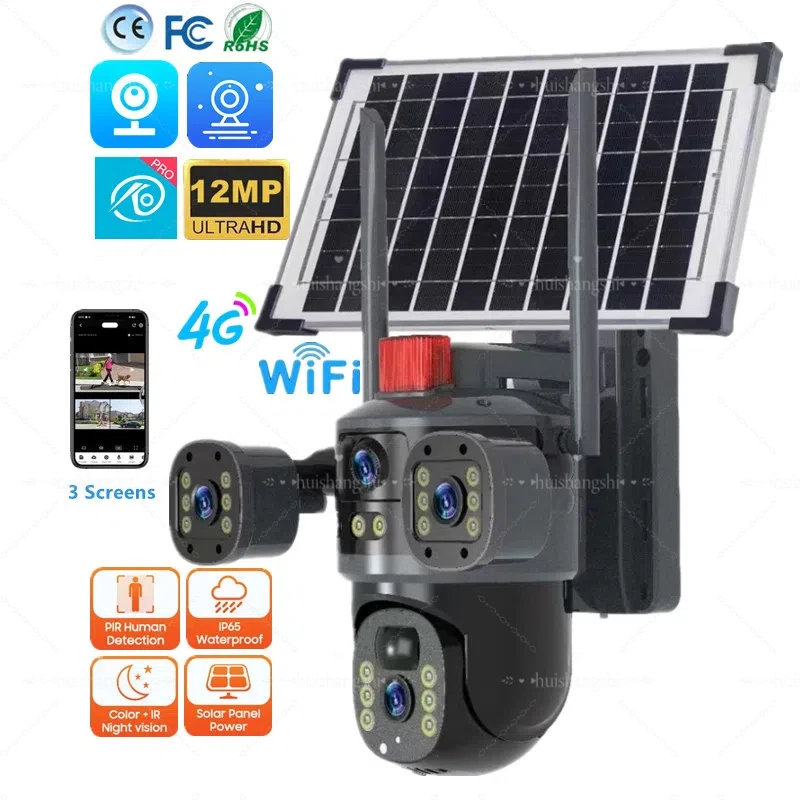
This type uses a SIM card (just like a phone) to send video directly to an app. You get instant motion alerts and can view a live feed from anywhere, but it requires a small monthly data plan.Trending Now ANRAN Wireless Security with Solar Power4MP Ultra HD for clear visualsThis wireless security system features a built-in solar panel, ensuring you have continuous power. The 4MP Ultra HD video provides sharp detail for comprehensive property surveillance.
Option 2: Local Storage (No Fees)
This is a security camera with local SD card storage. It records all footage onto a memory card inside the unit. There are no monthly fees, but to see what was recorded, you have to physically go to the camera and retrieve the card.
If you want real-time peace of mind and the ability to respond to an event as it happens, a cellular connection is the way to go. If you just need a record of events and want to avoid fees, local storage is a perfect fit.
The Secret to Live Video from Anywhere: Understanding Cellular Cameras
How does a camera get its own internet connection in the middle of nowhere? The answer is the same technology that’s in your smartphone. Inside a solar powered security camera with cellular service, a SIM card connects the camera to a reliable 4G/LTE network. This allows the camera to send you an instant alert with a video clip the moment it detects motion, no matter how far away you are.
While this involves a data plan, it’s not like your monthly phone bill. A SIM card data plan for cameras is designed for low usage because the camera only uses data when sending a motion alert or when you check the live view. Because of this, monthly plans are typically very affordable, often costing just a few dollars for essential peace of mind.

A 4G LTE security camera system is all about giving you immediate access. It’s the perfect solution for anyone who needs to know right now if a person or vehicle is on their remote property. Power and connectivity are the foundation, but a camera also needs specific features to be an effective security tool.
Beyond Power and Connection: 3 Must-Have Features
For a camera to be an effective guard, it needs a few key capabilities that work day and night, rain or shine.
A good security camera can’t clock out at sunset. This is where infrared (IR) night vision comes in. Instead of a bright spotlight that gives its position away, a night vision camera without electricity uses invisible light to see clearly in complete darkness. This means you get crisp, clear video footage of any activity, day or night.

Just as important is what the camera doesn’t record. To save battery and prevent false alarms from swaying trees, look for a camera with a Passive Infrared (PIR) motion sensor. This smart technology primarily detects the heat signature of people or large animals, telling the camera to record only when something important happens. This makes your remote property surveillance system both efficient and intelligent.
Finally, a camera living outdoors needs to be tough. Look for a model with an “IP66” rating or higher. This proves the device is truly weatherproof surveillance for rural areas—sealed against heavy rain, dust, and temperature swings.
Your 5-Minute Checklist for Choosing the Perfect Off-Grid Camera
To find your ideal camera, answer these five questions. Your answers will clarify exactly what you need, simplifying the process of choosing the right hardware for your remote cabin or farm.
- 1. Power Source: Do I need a solar panel included, or can I recharge a battery myself every few months?
- 2. Connectivity: Do I need live video alerts on my phone (Cellular), or am I okay with checking a memory card later (Local Storage)?
- 3. Video Quality: Is standard HD clear enough, or do I need to see fine details like a license plate from far away (High Resolution)?
- 4. Night Vision: How far do I need to see in the dark? (e.g., 30ft for a doorway vs. 100ft for a field)?
- 5. Weatherproofing: Is the camera rated IP66 or higher to handle the weather in my area?
Putting It All Together: Your First Off-Grid Camera is Easier Than You Think
Before, keeping an eye on your property without power or Wi-Fi likely felt impossible. You now see it’s not magic, but a clever team-up: a battery and solar panel for power, and a cellular signal or SD card for video.

Your next move comes down to a single, clear choice. Do you need live alerts and the ability to check in from anywhere (a cellular model)? Or do you prefer a simple, no-fee setup where you review footage from a memory card later?
With this knowledge, you are ready to decide. You can now confidently find the right off-grid surveillance solution, giving you the peace of mind that comes from protecting what matters most, no matter how far away it is.
Revolutionize Outdoor Surveillance: Hikvision TandemVu PTZ with 15X Zoom & AI Detection #hikvision

You May Also Like

Choosing the Best 4 Camera Security System

How to Choose a Solar-Powered Cellular Security Camera (No Wi‑Fi Needed)
