
Marine Automation Systems: Technologies, Benefits, and Implementation

Marine Automation Systems: Technologies, Benefits, and Implementation
You’ve heard of self-driving cars, but what about a self-steering ship three football fields long? This isn’t science fiction. For most of a container ship’s long voyage across the ocean, the crew doesn’t touch the wheel at all. This is marine automation, the hidden technology that powers our global economy by making manual vs. automated vessel navigation a critical decision.
Two key systems make this possible. First, the ship’s autopilot acts like advanced cruise control, making constant, tiny rudder adjustments to hold a perfectly efficient course over thousands of miles. It navigates using an Electronic Chart Display and Information System (ECDIS)—essentially a super-powered Google Maps for the sea that displays water depths, underwater hazards, and safe shipping lanes, ensuring the vessel stays clear of danger.

Beyond efficiency, the primary benefit of this technology is safety. Industry data reveals that human error contributes to over 75% of all incidents at sea. These systems directly combat the fatigue and miscalculation that can occur during a long watch. By automating the monotonous task of steering, they are instrumental in reducing human error in maritime operations and improving safety from port to port.
Why a Ship’s ‘Check Engine’ Light Is a Million-Dollar Lifesaver
Imagine your car’s “check engine” light, but expanded to monitor thousands of sensors across a vessel longer than three football fields. This is the job of an Alarm Monitoring System (AMS). It acts as the ship’s central nervous system, constantly feeling the pulse of the engines, checking fuel levels, and sniffing for smoke all at once, creating a complete health report for the entire vessel.
This powerful system is the key to how a surprisingly small crew can safely operate a colossal ship. Instead of patrolling noisy, sprawling engine rooms, a single officer can see the real-time status of every critical component on a screen, ensuring the ship’s power and machinery are running smoothly and efficiently.
Ultimately, this constant vigilance prevents disasters. An AMS catches a minor fluid leak or a slightly overheating part long before it can escalate into a catastrophic fire or a multi-million-dollar engine failure. But these alerts are just one piece of the puzzle that the crew sees in the ship’s high-tech command center.
Putting It All Together: The ‘Smart Cockpit’ of a Modern Ship
Those critical alarms, the autopilot’s course, and the radar tracking other vessels—on an older ship, these were all separate, competing for the crew’s attention. A modern Integrated Bridge System (IBS) finally puts all that information on the same team. Think of it as the ship’s smart cockpit, pulling every stream of data—digital maps, engine status, and nearby traffic—onto a few clean, interactive displays. This is the central nervous system that connects all other automated functions.
This unified view is more than just convenient; it’s a massive leap in safety. Instead of mentally juggling information from different gadgets, the crew sees a complete picture in one place. A potential hazard isn’t just a blip on a radar; it appears directly on the ship’s map, showing its exact position relative to the planned route. This clarity allows officers to make faster, smarter decisions when seconds count.
Ultimately, this level of integration is what truly defines modern smart ship technology. It creates a single, intelligent command center with total awareness. But this sophisticated control isn’t just for sailing across oceans. What happens when a ship needs to stay perfectly still, as if frozen in place over a single spot on the seabed?
The ‘Hover’ Button: How Giant Ships Park in the Ocean Without an Anchor
The answer is a technology called Dynamic Positioning (DP). Think of it as a ‘hover’ button for a vessel. Just as a drone fights the wind to stay fixed in the air, a DP system lets a ship hold its exact position over a single spot on the seabed, even when pushed by strong currents. It’s a remarkable feat of unmanned vessel control technology that works without ever dropping an anchor.
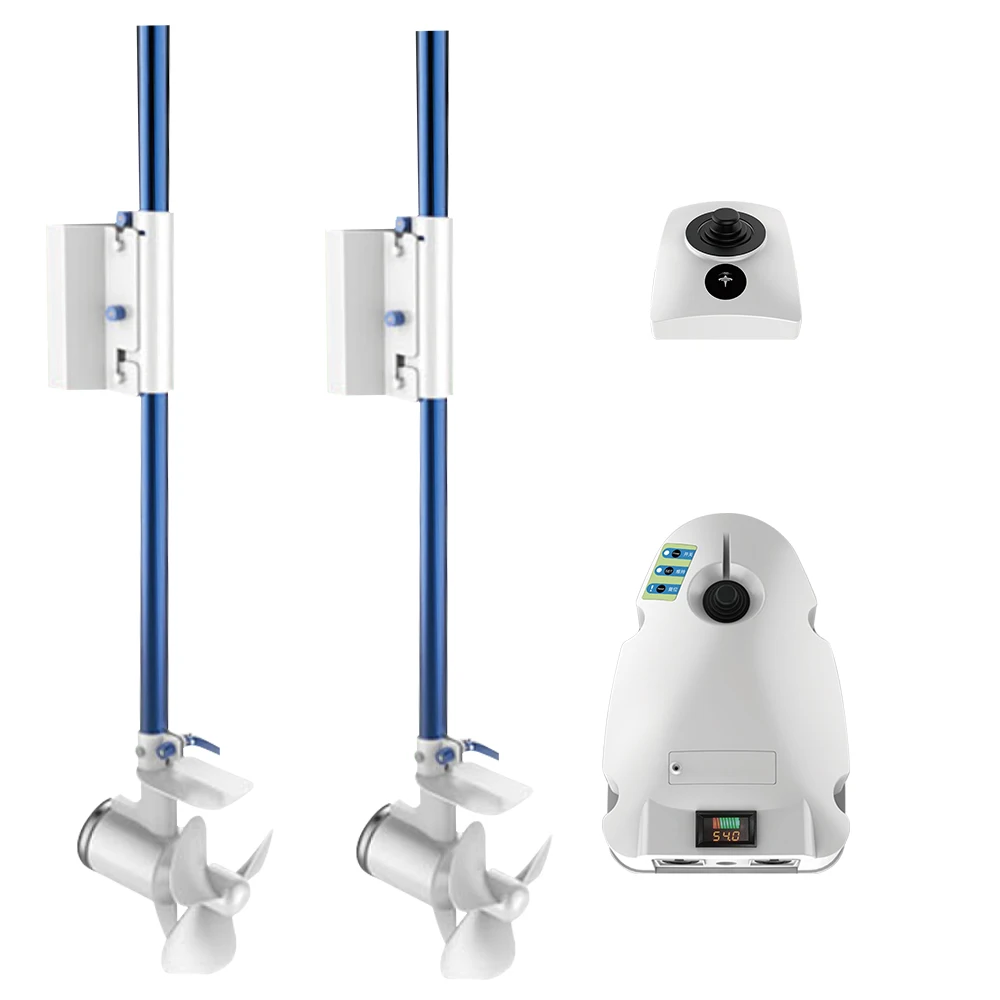
This system acts as the ship’s brain, constantly checking its location with hyper-accurate GPS. The moment it senses a drift, it instantly commands a series of small, multi-directional propellers called thrusters, mounted around the hull. These thrusters push back against the wind and waves with just enough force to keep the ship perfectly still, making thousands of tiny adjustments that a human crew could never replicate.
Such precision is vital for vessels where drifting isn’t an option, like an offshore energy support ship or a deep-sea research vessel deploying delicate equipment. The dynamic positioning system benefits are clear: automating this demanding task is crucial for reducing human error in maritime operations, where pinpoint accuracy means both safety and success.
Smarter Ships for a Cleaner, Safer Future: What’s Next?
Where you once saw just a ship on the horizon, you now see the invisible intelligence at work. The mental image of a captain single-handedly wrestling a wooden wheel has been replaced by the reality of a modern command center, where human expertise and automated systems work in concert.

This partnership isn’t about replacing the crew; it’s about empowering them. These systems are the vigilant co-pilots improving fuel efficiency with vessel control and enhancing safety. The next time you track a vessel online, you’ll know its steady course is the result of this powerful collaboration between human and machine.
This is just the beginning of the role of AI in modern shipping. As pioneers like Kongsberg and Rolls-Royce develop concepts for remote operations, the very nature of seafaring is changing. It makes you wonder: could a fleet of cargo ships one day be guided across the ocean from a single control center on land?


You May Also Like
