

Transforming Modern LivingSmart Home Solutions: Devices, Security, Energy Savings and Smart Living TipsWhat Is Smart Home?
Over 40 percent of American households now incorporate smart home technology as part of their daily routine. This shift is driven by a desire for greater convenience, better security, and lower utility costs through intelligent automation and real-time control. For tech-savvy American homeowners seeking practical solutions, understanding smart home systems is the key to creating energy-efficient and secure living spaces tailored to modern lifestyles.
Table of Contents
- Defining Smart Home Technology And Systems
- Major Types Of Smart Home Devices
- How Home Automation Works Step-By-Step
- Benefits, Drawbacks, And Common Mistakes
- Security, Privacy, And Energy Considerations
Key Takeaways
| Point | Details |
|---|---|
| Smart Home Integration | A smart home incorporates advanced digital systems for automated control and remote management, enhancing convenience and efficiency. |
| Core Device Categories | Security, climate control, entertainment, and automation devices collectively improve home management and comfort. |
| Security and Privacy Concerns | Implementing robust security measures and maintaining privacy in smart home ecosystems is crucial to mitigate risks. |
| Gradual Implementation | Start with a few essential devices and ensure compatibility before expanding your smart home network. |
Defining Smart Home Technology and Systems
Smart home technology represents a revolutionary approach to residential living, transforming traditional houses into intelligent, interconnected ecosystems. At its core, a smart home integrates advanced digital systems that enable automated control and remote management of various home functions through networked devices. These integrated networked systems allow homeowners to manage everything from security and energy consumption to entertainment and comfort with unprecedented precision and convenience.
The fundamental architecture of smart home technology involves connecting multiple devices and systems through wireless networks, enabling seamless communication and synchronized operation. Typical smart home configurations include interconnected components like security cameras, smart thermostats, lighting controls, voice-activated assistants, and internet-connected appliances. These devices communicate using protocols such as Wi-Fi, Bluetooth, Zigbee, and Z-Wave, creating a comprehensive network that can be monitored and controlled through smartphones, tablets, or centralized control panels.
Beyond convenience, smart home systems offer significant advantages in energy management, security, and personal comfort. Advanced AI-powered infrastructures can learn household patterns, automatically adjusting temperature, lighting, and energy consumption to optimize efficiency. For instance, smart thermostats can detect when residents are away and adjust heating or cooling to reduce unnecessary energy expenditure, while intelligent security systems can provide real-time monitoring and instant alerts for potential intrusions.
Pro tip: When setting up a smart home system, start with a few core devices and gradually expand your network to ensure compatibility and smooth integration.


Major Types of Smart Home Devices
Smart home devices have rapidly evolved into sophisticated technologies that transform residential environments through interconnected systems. Modern smart home device ecosystems encompass a diverse range of interactive hardware designed to enhance convenience, security, efficiency, and overall quality of life. These innovative technologies can be categorized into several key functional groups that address different aspects of home management and personal comfort.

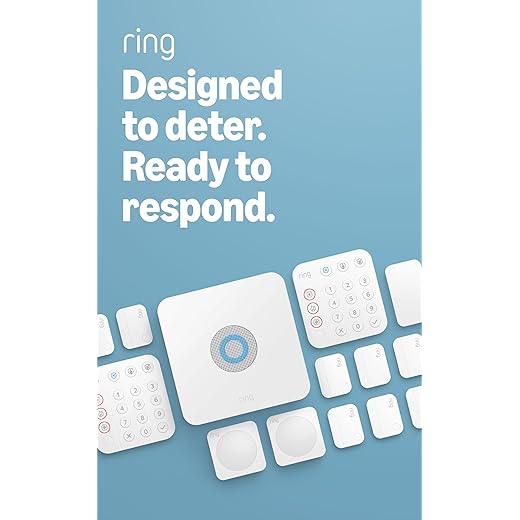
The primary categories of smart home devices include security systems, climate control devices, entertainment technologies, and household automation equipment. Security devices like smart cameras, doorbell cameras, and intelligent lock systems provide comprehensive monitoring and access control. Climate control devices such as smart thermostats enable precise temperature management and energy optimization. Entertainment technologies like voice-activated speakers and smart televisions create immersive home experiences, while household automation equipment includes smart plugs, lighting systems, and internet-connected appliances that can be remotely controlled and programmed.
Smart devices operate through various wireless communication protocols including Wi-Fi, Bluetooth, Zigbee, and Z-Wave, enabling seamless integration and communication between different components. These networked systems allow for complex interactions, such as automatically adjusting room temperature when security cameras detect residents have arrived home or triggering lighting sequences based on specific environmental conditions. The technological sophistication of these devices continues to expand, with artificial intelligence and machine learning increasingly enabling more intuitive and predictive home management capabilities.
Pro tip: When selecting smart home devices, prioritize compatibility and choose products that can integrate with a common communication protocol to ensure smooth system performance.
To help clarify the main types of smart home devices and their impact, see the summary below:
| Device Type | Primary Purpose | Example Device | Impact on Daily Life |
|---|---|---|---|
| Security | Protect home access | Doorbell camera | Increased safety and awareness |
| Climate | Control temperature | Smart thermostat | Lower energy bills, comfort |
| Entertainment | Enhance enjoyment | Voice assistant | Convenient music, answers |
| Automation | Simplify routines | Smart plug | Time-saving, remote control |
How Home Automation Works Step-by-Step
Home automation systems transform residential environments through a sophisticated network of interconnected devices and intelligent control mechanisms. At the core of these systems is a central management platform that coordinates communication between various smart devices, enabling seamless integration and automated functionality. The process begins with strategically deploying sensors, controllers, and smart devices throughout the home, each designed to collect data and respond to specific environmental or user-triggered conditions.
The technical infrastructure of home automation relies on a smart home hub that serves as the central nervous system of the entire network. This hub connects multiple devices using various wireless communication protocols such as Wi-Fi, Bluetooth, Zigbee, and Z-Wave, allowing different technologies to communicate and work together effectively. The hub interprets user preferences, device statuses, and environmental data to execute complex automation rules. For example, it can coordinate actions like automatically adjusting thermostats when motion sensors detect residents have arrived home, or triggering security cameras when unexpected movements are detected.
The automation workflow typically involves several key steps: device discovery and registration, rule configuration, sensor data collection, decision-making algorithms, and action execution. Users can create custom automation scenarios through mobile apps or web interfaces, defining precise conditions that trigger specific responses. Advanced systems incorporate machine learning algorithms that adapt and optimize performance over time, learning from user behaviors and preferences to create increasingly intelligent and personalized home management experiences.
Pro tip: When setting up a home automation system, start by mapping out your specific needs and select a hub that supports multiple communication protocols to ensure maximum device compatibility.
Benefits, Drawbacks, and Common Mistakes
Smart home technologies offer transformative potential for residential living, presenting a compelling array of benefits balanced against significant challenges. The primary advantages include enhanced home security, unprecedented energy efficiency, and dramatically improved convenience through automated systems. Homeowners can remotely monitor their properties, optimize energy consumption, and create personalized living environments that adapt to individual preferences and lifestyle patterns.

However, these technological innovations are not without substantial drawbacks. The financial and privacy implications of smart home technology require careful consideration, including high initial investment costs and potential security vulnerabilities. Common mistakes homeowners make involve inadequate network protection, failing to regularly update device firmware, and creating overly complex automation rules that reduce system reliability. Privacy risks emerge from continuous data collection, potentially exposing sensitive personal information through interconnected devices.
Successful smart home implementation demands a strategic approach that balances technological capability with practical usability. Homeowners should prioritize devices with robust security features, invest in comprehensive network protection, and maintain a flexible approach to automation that allows manual overrides. Understanding the ecosystem’s complexity, including communication protocols, device compatibility, and potential integration challenges, becomes crucial for creating a functional and secure smart home environment.
Pro tip: Always create a separate secured network for your smart home devices to minimize potential cybersecurity risks and protect your primary network.
For an overview of common benefits and drawbacks in smart home technology, see this comparison table:
| Aspect | Major Benefit | Key Drawback | Common Mistake |
|---|---|---|---|
| Security | Real-time remote monitoring | Potential hacking risk | Weak password selection |
| Energy | Automated energy optimization | High upfront device costs | Ignoring energy data trends |
| Convenience | Personalized automation rules | Overly complex integrations | Failing to test automation |
Security, Privacy, and Energy Considerations
Modern smart home ecosystems demand comprehensive security and privacy strategies that protect users from potential digital vulnerabilities. The interconnected nature of smart home devices creates multiple potential entry points for cybersecurity threats, requiring a proactive and multi-layered approach to digital protection. Homeowners must understand that each connected device represents a potential security risk, necessitating careful configuration, regular updates, and robust authentication mechanisms.
Authentication vulnerabilities represent a critical weakness in smart home security architectures, with many systems susceptible to replay attacks and unauthorized network access. Persistent trust relationships between devices can create systemic risks, allowing potential attackers to exploit weak authentication protocols. Energy considerations intersect with security, as smart home systems that optimize power consumption often require continuous data transmission, which can inadvertently expose sensitive network information if not properly secured.
Effective smart home security involves implementing comprehensive protective measures across multiple dimensions. This includes utilizing strong, unique passwords for each device, enabling two-factor authentication, regularly updating firmware, creating segregated network segments for IoT devices, and maintaining vigilant monitoring of network traffic. Users should prioritize devices from manufacturers with proven security track records and implement privacy-by-design principles that limit unnecessary data collection and transmission.
Pro tip: Configure a separate guest network for smart home devices to isolate potential security breaches and protect your primary network’s integrity.
Discover How Smart Home Technology Can Simplify Your Life Today
Are you ready to tackle the challenges of smart home integration and unlock seamless control over your living space? This article highlights key pain points like device compatibility, security concerns, and energy optimization that every homeowner must face. At Alvir Tech, we understand how overwhelming it can be to navigate complex smart home systems while staying protected and efficient.

Explore expert insights and clear guidance on topics such as smart home hubs, secure device networking, and energy-saving innovations on our website. Visit Alvir Tech now to empower your smart living journey with trusted information and practical tips designed to help you make confident decisions. Take control of your modern home environment and start transforming your daily routine without delay.


Frequently Asked Questions
What is smart home technology?
Smart home technology refers to digital systems that automate and control various home functions through interconnected devices, enhancing convenience and efficiency in residential living.
What are the main types of smart home devices?
The primary types of smart home devices include security systems (like cameras and smart locks), climate control devices (such as smart thermostats), entertainment technologies (like voice assistants), and household automation equipment (like smart plugs and lighting systems).
How does home automation work?
Home automation works through a central management platform, often called a smart home hub, that connects different smart devices and allows them to communicate, enabling automated functionalities based on specific user-defined scenarios.
What are the benefits and drawbacks of smart home systems?
The benefits of smart home systems include enhanced security, energy efficiency, and convenience. However, drawbacks include high initial costs, potential cybersecurity risks, and privacy concerns with data collection.
Recommended


You May Also Like

Google Audio Bluetooth Speaker Review: Powerful Sound and Smart Connectivity in Chalk

Smart Homes: An Introduction to the Future of Living
