

7 Must-Know Home Automation Trends for 2026
More than 60 percent of American homeowners now rely on some form of smart technology to control devices and improve energy efficiency. As advanced sensors and innovative AI-powered assistants reshape daily routines, tech-savvy families are discovering easier ways to manage security, comfort, and utility costs. This guide uncovers the latest automation trends, offering practical insights that help you select solutions for greater convenience and smarter energy management in any modern home.
Table of Contents
- 1. Adoption Of Ai-Powered Smart Assistants
- 2. Rise Of Energy-Efficient Smart Outlets
- 3. Integration Of Voice-Controlled Security Systems
- 4. Enhanced Smart Home Network Connectivity
- 5. Growth Of Personalized Automation Scenes
- 6. Expansion Of Device Interoperability
- 7. Advancements In Remote Monitoring Features
Quick Overview
| Key Insight | Explanation |
|---|---|
| 1. Choose secure AI-powered assistants | Look for devices with strong privacy settings and regular updates to safeguard your personal information. |
| 2. Optimize energy use with smart outlets | Smart outlets can monitor energy consumption, helping reduce waste and increase efficiency throughout your home. |
| 3. Prioritize device interoperability | Select devices supporting universal standards like Matter to ensure seamless compatibility across different platforms. |
| 4. Utilize personalized automation features | Document your routines to create automation scenes that align with your habits, enhancing comfort and convenience. |
| 5. Invest in advanced remote monitoring | Use comprehensive monitoring solutions that provide real-time insights and predictive capabilities for better management of home systems. |
1. Adoption of AI-Powered Smart Assistants
The world of home automation is rapidly transforming with the emergence of intelligent AI-powered smart assistants that promise to revolutionize how we interact with technology. These advanced digital companions are no longer just voice-activated speakers but sophisticated systems capable of understanding context, learning user preferences, and autonomously managing complex home environments.
Recent research indicates that agentic AI is forecasted to reach mass consumer adoption in 2026, with 40% of enterprise applications expected to integrate intelligent AI agents. This means smart home devices will evolve from simple command responders to proactive systems that anticipate your needs and streamline daily tasks.
These AI assistants leverage machine learning algorithms to understand speech patterns, recognize individual voices, and provide personalized responses. They can manage everything from scheduling appointments and controlling home security systems to curating personalized entertainment recommendations and monitoring household energy consumption.
Moreover, advanced AI speakers are becoming increasingly sophisticated in handling complex voice interactions. Unlike previous generations that required specific command structures, modern smart assistants can understand natural language, context, and even subtle nuances in human communication.
Security Considerations: Despite their impressive capabilities, these AI systems are not without challenges. Researchers have identified potential vulnerabilities in Voice Control Systems that could compromise user privacy, making it crucial for consumers to stay informed about potential risks and choose devices with robust security frameworks.
Pro tip: When selecting an AI-powered smart assistant, prioritize devices that offer transparent privacy settings, regular security updates, and clear data management policies to protect your personal information.


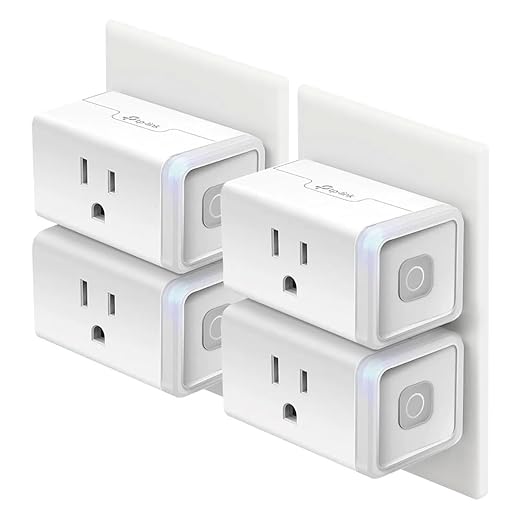
2. Rise of Energy-Efficient Smart Outlets
Smart home technology is revolutionizing how we manage energy consumption, with intelligent power outlets emerging as game changers in residential energy management. These advanced devices go far beyond simple electrical connections, transforming ordinary power outlets into sophisticated energy monitoring and control systems.
Innovative smart outlet systems integrate microcontroller and sensor technologies that enable real-time power monitoring, remote control, and automated energy management. By analyzing electricity usage patterns, these smart outlets can dramatically reduce unnecessary power consumption and enhance overall home energy efficiency.
The key advantages of modern smart outlets include automatic detection and elimination of vampire loads devices that consume power even when turned off and granular control over individual appliance energy consumption. Homeowners can now track exactly how much electricity each device uses, set consumption limits, and receive detailed energy reports directly on their smartphones.
Moreover, these intelligent outlets offer significant safety benefits. Advanced systems include built-in surge protection, automatic shutdown mechanisms for electrical anomalies, and remote monitoring capabilities that can prevent potential electrical hazards.
Internet of Things Integration: Smart outlets are becoming critical components of broader IoT ecosystems, communicating with other smart home devices to optimize energy usage and create more responsive, efficient living environments.
Pro tip: Prioritize smart outlets with comprehensive energy monitoring features and compatibility with multiple smart home platforms to maximize your home’s energy efficiency and technological integration.


3. Integration of Voice-Controlled Security Systems
Voice-controlled security systems represent a groundbreaking advancement in home protection, transforming how homeowners interact with and manage their personal safety technologies. These intelligent systems combine cutting edge voice recognition with sophisticated sensor networks to create responsive and intuitive home security solutions.
IoT based smart home security systems now demonstrate remarkable capabilities in integrating voice commands with sensor networks, enabling sophisticated intrusion detection and seamless home automation. Homeowners can now use natural language voice commands to arm or disarm security systems, control surveillance cameras, and receive real-time alerts about potential security threats.
The technology goes beyond simple voice activation. Advanced systems utilize passive infrared sensors, machine learning algorithms, and voice authentication to create multi layered security protocols. These systems can distinguish between authorized household members and potential intruders, providing an unprecedented level of protection.
Security Challenges: While these technologies offer remarkable benefits, researchers have identified potential vulnerabilities in voice-controlled systems, including risks like voice spoofing and unauthorized command injections. Modern security systems are developing sophisticated countermeasures such as biometric voice authentication and anomaly detection algorithms to mitigate these risks.
Key features of modern voice-controlled security systems include remote monitoring, instant smartphone notifications, integration with smart home ecosystems, and the ability to customize security protocols based on individual household needs.
Pro tip: When selecting a voice-controlled security system, prioritize solutions that offer multi factor authentication, regular software updates, and transparent privacy policies to ensure comprehensive protection.


4. Enhanced Smart Home Network Connectivity
Smart home network connectivity is undergoing a revolutionary transformation, moving far beyond traditional wireless networking to create more intelligent, responsive, and robust communication ecosystems. Homeowners can now expect unprecedented levels of device integration, data transmission, and network performance.
IoT-based frameworks are developing adaptive communication protocols that dynamically optimize network performance using advanced deep learning techniques. These sophisticated systems can automatically manage frequency channels, minimize signal interference, and ensure seamless communication between multiple smart home devices.
The emerging connectivity landscape integrates multiple wireless technologies including Wi-Fi 6E, 5G, and specialized Internet of Things protocols. This holistic networking approach enhances data distribution efficiency, reliability, and security, accommodating the growing number of connected devices in modern smart homes.
Network Performance Factors: Key considerations for enhanced connectivity include bandwidth capacity, signal stability, device compatibility, and intelligent routing algorithms that prioritize critical home automation communications.
Modern smart home networks now support advanced features like automatic device prioritization, real-time bandwidth allocation, and intelligent network segmentation to ensure optimal performance across various connected devices and applications.
Pro tip: When upgrading your home network, invest in multi-band routers supporting Wi-Fi 6E and mesh networking technologies to create a more robust and flexible smart home connectivity infrastructure.
5. Growth of Personalized Automation Scenes
Personalized automation scenes represent the next frontier of smart home technology, transforming how we interact with our living environments through intelligent, adaptive systems that learn and respond to individual preferences. These advanced systems go far beyond traditional one size fits all home automation approaches.
Intelligent automation is projected to revolutionize personalization in 2026 through AI microservices that dynamically tailor device interactions and workflows to individual user contexts. Imagine a home environment that understands your unique routines, adjusting lighting, temperature, music, and device settings automatically based on your specific behaviors and preferences.
Agentic AI is shifting automation from static rule based actions to context aware adaptive workflows, enabling smart home systems to become genuinely responsive and intuitive. These systems can now recognize patterns in your daily life and proactively create personalized automation scenes that enhance comfort, efficiency, and overall living experience.
Personalization Capabilities: Modern automation scenes can include complex scenarios like automatic morning routines that gradually increase light intensity, start your coffee maker, adjust thermostat settings, and even curate personalized news briefings based on your interests.
Key technologies enabling these personalized experiences include machine learning algorithms, sophisticated sensor networks, and advanced data processing capabilities that continuously analyze and adapt to user behavior patterns.
Pro tip: Start building your personalized automation scenes by documenting your daily routines and identifying repetitive tasks that could benefit from intelligent automation.
6. Expansion of Device Interoperability
Device interoperability is transforming the smart home landscape, promising a future where different technology brands and platforms communicate seamlessly and effortlessly. No longer will homeowners be constrained by proprietary ecosystems or limited integration capabilities.
Matter is emerging as a universal standard for smart home device communication, addressing the long standing challenge of fragmented protocols across Internet of Things devices. This groundbreaking connectivity solution aims to create a unified language for smart home technologies, reducing barriers to adoption and dramatically simplifying user experiences.
Interoperability research highlights the critical need for multi layer communication standards that support device interaction across different platforms. These advancements focus on creating comprehensive frameworks that enable devices from various manufacturers to work together seamlessly, covering everything from basic communication protocols to complex semantic interactions.
Technical Implications: The expansion of device interoperability means consumers can mix and match smart home devices from different brands without worrying about compatibility issues. Imagine building a smart home ecosystem that truly reflects your preferences, unrestricted by manufacturer limitations.
Key technologies enabling this revolution include standardized communication protocols, middleware solutions, and advanced security frameworks that ensure safe and reliable cross platform interactions.
Pro tip: When purchasing smart home devices, prioritize those supporting Matter or other universal connectivity standards to future proof your home automation investment.
7. Advancements in Remote Monitoring Features
Remote monitoring technologies are revolutionizing how we track, manage, and understand our living environments, personal health, and home systems with unprecedented precision and convenience. These sophisticated systems transform passive spaces into intelligent, responsive ecosystems that provide real-time insights and proactive management capabilities.
Remote monitoring technologies are expanding across multiple domains through advanced IoT sensors, cloud integration, and AI analytics, enabling real-time tracking of environmental and equipment health parameters. These innovations drive operational efficiency, compliance, and sustainability efforts in residential and professional settings.
Technological advances in monitoring systems have particularly enhanced continuous data collection capabilities, targeting improved accessibility and providing instantaneous insights across various applications. Modern remote monitoring goes beyond simple observation, offering predictive and adaptive capabilities that anticipate potential issues before they become significant problems.
Monitoring Capabilities: Contemporary remote monitoring features include environmental tracking, energy consumption analysis, security surveillance, health parameter monitoring, and predictive maintenance for home systems and appliances.
Key technologies enabling these advancements include wireless sensor networks, machine learning algorithms, edge computing, and sophisticated cloud based data processing platforms that can analyze massive amounts of information in milliseconds.
Pro tip: Invest in multi platform remote monitoring solutions that offer comprehensive integration, robust security protocols, and user friendly mobile applications for seamless tracking and management.
Below is a comprehensive table summarizing the essential advancements and features presently revitalizing the field of home automation and IoT devices as covered in the article.
| Feature | Description | Notable Benefits |
|---|---|---|
| AI-Powered Smart Assistants | Advanced digital systems capable of understanding context, learning preferences, and managing environments. | Enhanced convenience, automation of complex tasks, improved interaction using natural language processing. |
| Energy-Efficient Smart Outlets | Devices transforming ordinary outlets into energy monitoring and controlling units with real-time power insights. | Increased energy efficiency, reduced waste, and insights to optimize power usage. |
| Voice-Controlled Security | Security systems combining voice recognition and advanced sensing technologies for enhanced safety. | Intuitive user interaction, real-time notifications, and multi-layered security protocols. |
| Smart Home Connectivity | Integration of technologies like Wi-Fi 6E and IoT protocols ensuring robust device networking. | Seamless communication among devices, reliability, and optimization in data transmission. |
| Personalized Automation Scenes | AI-driven systems creating automation routines tailored to personal preferences and daily habits. | Improved living convenience and customization of home environments. |
| Device Interoperability | Standardized frameworks like Matter bridging compatibility issues between devices from different manufacturers. | Easier integration of diverse devices, future-proof home automation setups. |
| Remote Monitoring | Usage of IoT sensors and AI analytics for insights into environmental and operational parameters. | Proactive issue detection, system optimization, and heightened accessibility for monitoring. |
Unlock the Future of Smart Living Today
The rapid advancement of home automation technologies highlighted in “7 Must-Know Home Automation Trends for 2026” reveals common challenges such as managing energy efficiency, ensuring device interoperability, and securing voice-controlled systems. If you want to stay ahead in creating a personalized and secure smart home environment you cannot afford to miss out on insights that address these pain points directly. Concepts like AI-powered smart assistants and energy-efficient smart outlets not only promise convenience but also demand informed choices to protect your privacy and maximize device capabilities.

Explore how you can overcome these challenges and tap into the full potential of cutting-edge home automation by visiting Alvir Tech. Discover detailed guides and expert comparisons on smart home devices including smart speakers and intelligent energy controls that help you take control of your home automation journey with confidence. Start transforming your living space into a truly intelligent home now by reading more at Alvir Tech and unlock valuable tips for implementing personalized automation scenes and robust security at Alvir Tech.
Frequently Asked Questions
What are the key benefits of adopting AI-powered smart assistants in my home?
AI-powered smart assistants can dramatically enhance your home automation experience by understanding your context and learning your preferences. To maximize their potential, select devices that offer transparent privacy settings and regular security updates.
How can I reduce energy consumption using smart outlets?
Smart outlets enable real-time power monitoring and control, which can help you track and limit energy usage effectively. Start by analyzing your electricity consumption patterns and adjusting settings to minimize unnecessary power draw, potentially reducing your energy bills by 20%.
What should I look for in a voice-controlled security system?
When selecting a voice-controlled security system, prioritize features like multi-factor authentication and regular software updates for enhanced protection. Evaluate your household’s unique security needs and choose a system that can be customized while integrating smoothly with your other smart devices.
How can I enhance my smart home network connectivity?
To improve your smart home network connectivity, invest in multi-band routers that support Wi-Fi 6E and mesh networking technologies. This will ensure better device integration and high-speed communication, optimizing performance across all connected devices.
What steps can I take to create personalized automation scenes?
Begin by documenting your daily routines to identify repetitive tasks that could benefit from automation. Use this information to program your smart home systems to adjust lighting, temperature, and other elements automatically, enhancing your comfort and efficiency in daily activities.
How do I ensure that my smart devices can work together?
Choosing devices that support universal standards like Matter is crucial for ensuring compatibility in your smart home ecosystem. Look for products that can seamlessly communicate with each other, allowing you to build a cohesive and functional automation experience.
Recommended
- Smart Living –
- The Future of Home Automation: Amazon Echo vs Google Home
- – Smart Homes: Latest Trends, Innovations in technology
- Home Electronics –


You May Also Like

Mini PC for Home Assistant: Best Options and Setup Guide

Why Upgrade Home Tech: Energy Savings and Convenience
