
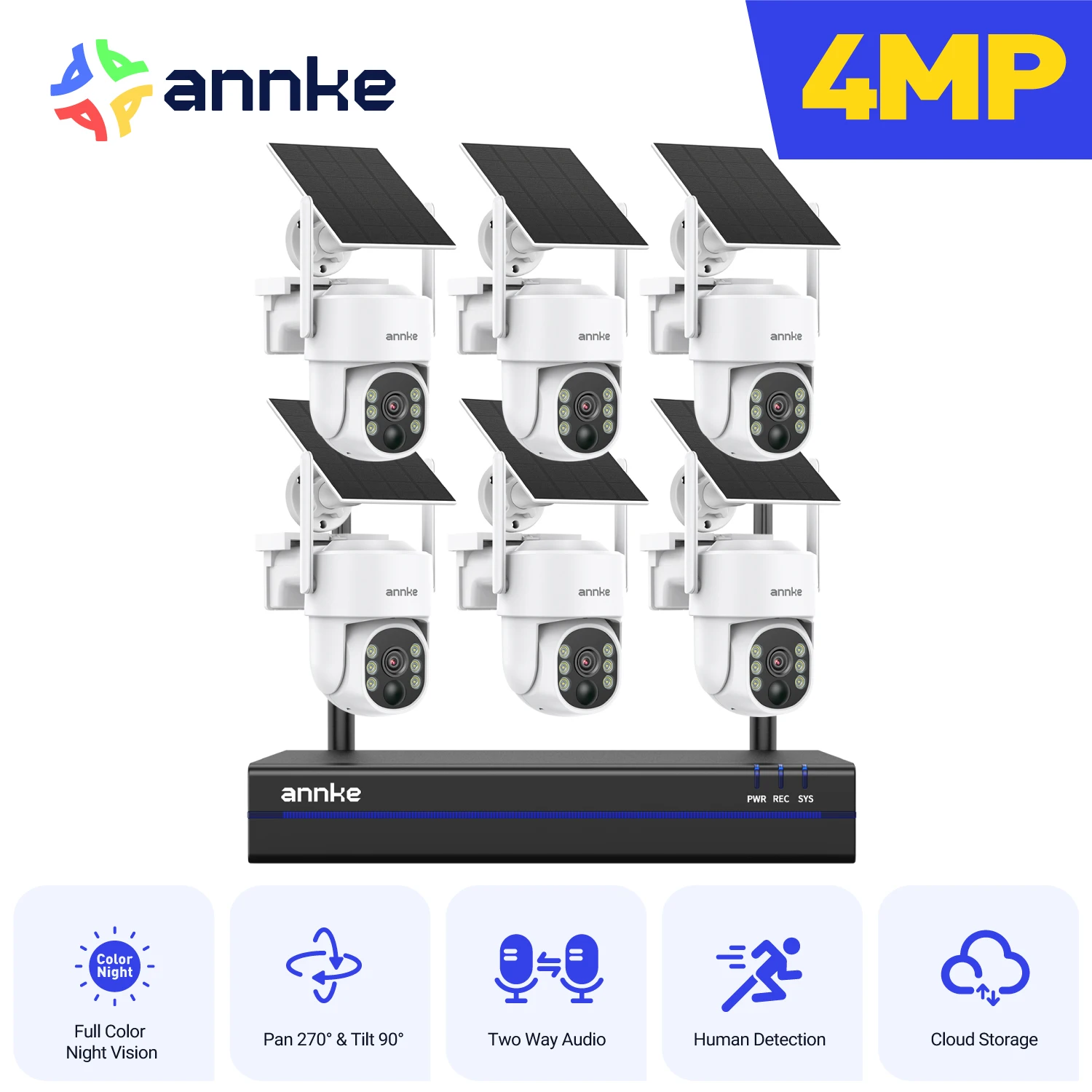
Top Solar Cameras for Outdoor Adventures
Top Solar Cameras for Outdoor Adventures
Ever wished you could keep an eye on your campsite while you’re out on a day hike? The biggest challenge for outdoor cameras has always been power—running cords is impossible, and batteries eventually die. Solar-powered cameras solve this by using a small solar panel to constantly recharge, offering a true set-and-forget solution. Unlike a trail cam that needs its batteries swapped, this creates a long-lasting outdoor camera that can work for months without any intervention.
Choosing the right solar camera comes down to two questions: where will you put it, and what weather will it face? This guide will walk you through how to make the right choice.
How Do Solar Cameras Work (And Not Die at Night)?
If a solar camera relies on the sun, what happens when it’s dark or cloudy? The solar panel’s main job isn’t to power the camera directly. Instead, the panel is a dedicated charger for the camera’s large, built-in battery. All day long, the panel tops up this battery, which then powers the camera itself.

To save energy, these cameras spend most of their time in a low-power “sleep” mode. When the built-in sensor detects motion—like a person approaching your camp or a deer passing by—it instantly wakes up and starts recording. This “record when it matters” approach makes them highly efficient.
A single sunny day can often provide enough charge to last for several days of clouds and rain. The battery acts as a power reserve, ensuring the camera stays on guard, no matter the forecast. This self-sufficiency is what makes them perfect for any off-grid location.
The Most Important Choice: Wi-Fi vs. 4G Cellular
After a solar camera records activity, it needs a way to send that video to your phone. This is the biggest factor in choosing a model, as it determines where you can place it. The two options are connecting through Wi-Fi or using a 4G cellular network.

A wireless outdoor camera with solar panel that uses Wi-Fi is the simplest choice if you have internet nearby, such as at a home, cabin, or RV park. These models are generally less expensive and have no extra monthly fees, but their placement is limited by your router’s signal range.
For true off-grid security camera solutions, you need a cellular solar-powered security camera. It functions like a smartphone, requiring its own SIM card and a data plan from a provider like AT&T or T-Mobile. This freedom lets you monitor a remote gate, a hunting plot, or a campsite deep in the woods, as long as there’s cell service.
Your location makes the decision for you:
- Choose a Wi-Fi Camera if: It will be placed within range of a home, cabin, or campground’s internet network.
- Choose a 4G/LTE Camera if: You need it for a remote area that has cell service but no Wi-Fi access.
Will It Survive a Storm? Making Sense of Weatherproof Ratings
An outdoor camera must handle whatever nature throws at it. Its weatherproof rating, a key detail for any good solar security camera for a remote cabin, is the difference between a device that lasts for years and one that fails after the first season.

To judge durability, look for its IP rating—a two-digit score for how well it’s sealed against solids (dust) and liquids (rain). For any weatherproof solar camera for camping, the minimum you should accept is IP65. This means the camera is completely dust-tight and can handle sustained water jets, easily surviving heavy rain.
Beyond rain, check the camera’s operating temperature range. A model that works well in a California summer might shut down in a freezing Montana winter. If you’ll use your camera in a location with extreme heat or cold, confirming its temperature specs will ensure it runs reliably year-round.
Seeing in the Dark: Why Night Vision Isn’t All the Same
After sunset, a camera’s ability to see is critical. Most models offer standard infrared (IR) night vision, which bathes the area in invisible light to produce a clear, black-and-white video. While effective for detecting motion, it can be hard to make out important details, like the markings on an animal or the color of a vehicle.
A significant upgrade is the “Starlight” sensor. These highly sensitive sensors gather enough ambient light from the moon or stars to produce a surprisingly bright and detailed color video in near-total darkness. It’s a huge leap in quality over the traditional grayscale image.

When looking at a solar camera with night vision, the choice matters. For basic motion alerts, standard IR is fine. But to identify what’s out there—like figuring out if a raccoon or a badger is raiding your cooler—finding the best solar-powered trail camera with a Starlight sensor is absolutely worth it.
Gain Control with Pan-Tilt-Zoom (PTZ)
Most outdoor cameras provide a fixed view, meaning you can easily miss action happening just off-screen. For a more interactive experience, look for a camera with Pan-Tilt-Zoom (PTZ). This feature gives you remote control over the camera’s “head” via an app on your phone, allowing you to look left and right (pan), up and down (tilt), and get a closer look (zoom).
This ability changes how you use the camera. If you get a motion alert, instead of seeing a fixed snapshot, you can actively scan the entire area to see what triggered it. Was it just a deer, or is someone snooping around your gear? While not every situation requires it, a PTZ function transforms your camera from a passive observer into an active tool for monitoring a larger area.

Your 3-Step Plan to Choosing the Perfect Solar Camera
Top 3 Wireless Solar Powered Security Cameras 2025
Finding the right solar camera boils down to this simple plan:
- Pinpoint Your Location: Do you have Wi-Fi or just cell service? This decides between a Wi-Fi or 4G model.
- Check the Forecast: Will it face heavy rain or extreme temperatures? Look for an IP65+ weather-resistance rating and check its operating temperature range.
- Decide on ‘Nice-to-Haves’: Need to see in color at night or look around a larger area? Prioritize a Starlight sensor or PTZ features.
With these questions answered, you’re choosing your own permanent window to the wild. The right camera is out there, ready to show you exactly what you’ve been missing.
These Reliable Solar Generators Got Your Back(up) During Outages or Off-Grid Adventures Popular Mechanics...
Best Outdoor Home Security Cameras of 2026: From Floodlights to Night Vision CNET...
This Fall Could Bring the Best Northern Lights in Decades. Here's How to See Them. Outside Magazine...
Best Solar Charger Power Banks GearLab...


You May Also Like

Benefits of Installing Solar Power Outlets
