

Harnessing Solar Power for Camera Technology


Harnessing Solar Power for Camera Technology
You’ve found the perfect spot for your new wireless camera—it covers the entire driveway. There’s just one problem: the battery dies every few weeks, and getting the ladder out is a chore you’re starting to dread. That recurring “low battery” notification is the single biggest frustration of an otherwise brilliant technology.
What if that camera could power itself, using something you already have in abundance: sunlight? Harnessing solar power for camera technology is no longer just for large-scale projects. For many homeowners, it’s now the most practical way to achieve nearly infinite camera battery life with a simple solar panel attachment.

This upgrade creates a true set-it-and-forget-it system. The benefits of solar-powered surveillance become immediately clear: you finally gain the freedom to place your camera based on the best view, not the nearest outlet, and eliminate battery anxiety for good.
The “Power Trio”: How Solar-Powered Cameras Actually Work
You might think a solar panel powers a camera directly, but a reliable setup is more of a team effort. Three key players work in perfect sync to cut the cord and give you the freedom to place your camera anywhere.
This system is a “Power Trio” with distinct roles:

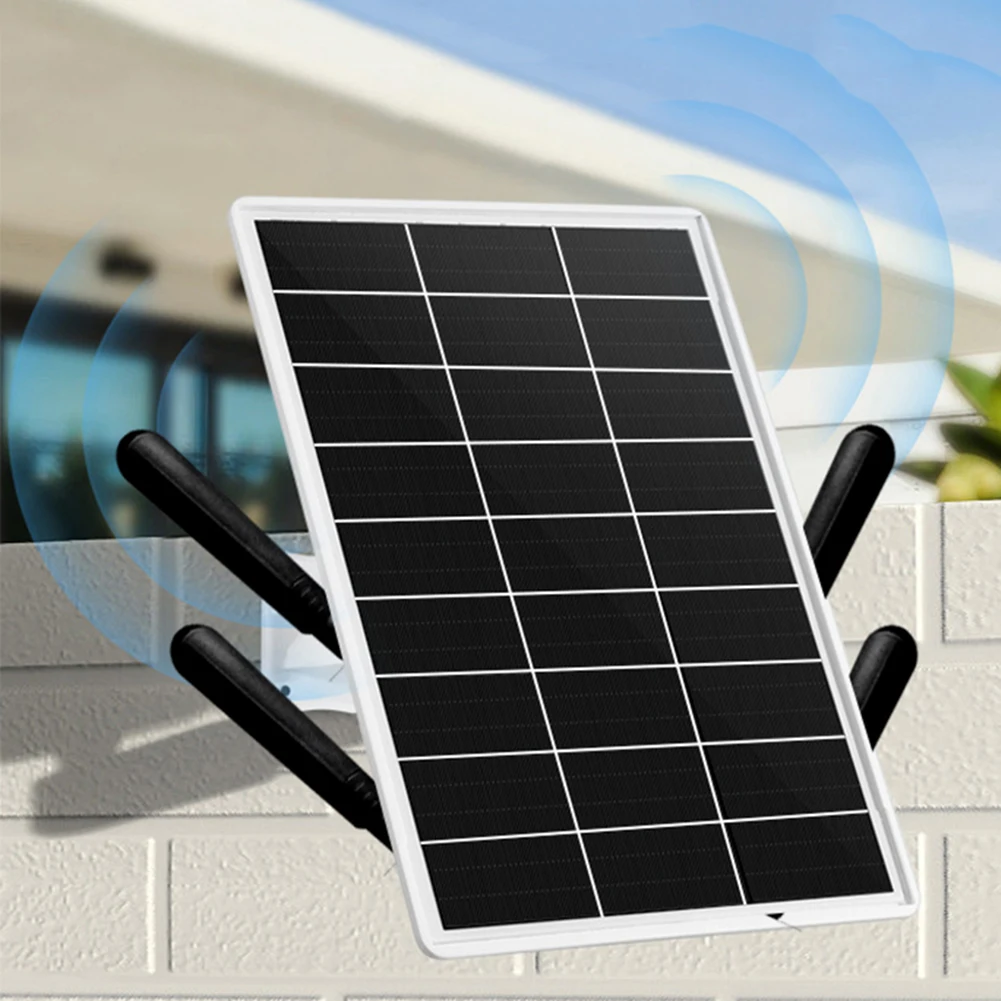
- The Solar Panel (The Collector): Its only job is to soak up sunlight all day and convert it into electrical energy.
- The Battery (The Bank): This is the heart of the system. It acts like a power bank, storing the energy the panel collects for later.
- The Camera (The Customer): It draws a steady stream of power from the battery whenever it needs to record, day or night.
This simple but brilliant design is what keeps your camera running 24/7. The solar panel isn’t trying to power the camera in real-time; its main goal is to keep the battery topped off. During the day, it fills the bank. At night or on a rainy afternoon, the camera sips from that stored power, ensuring you never have a gap in coverage.
By working this way, the system provides true independence. Your camera is no longer tethered to a wall outlet or limited by battery life.
Choosing Your First Solar Setup: What Really Matters
If you already own a wireless camera from a brand like Ring, Arlo, or Eufy, your most important decision is already made. The single biggest factor for success is brand compatibility. Always buy the solar panel made by the same company for your specific camera model. This ensures the plug, power level, and weather-sealing are a perfect match, saving you from the guesswork and frustration of trying to piece together a system that wasn’t designed to cooperate.
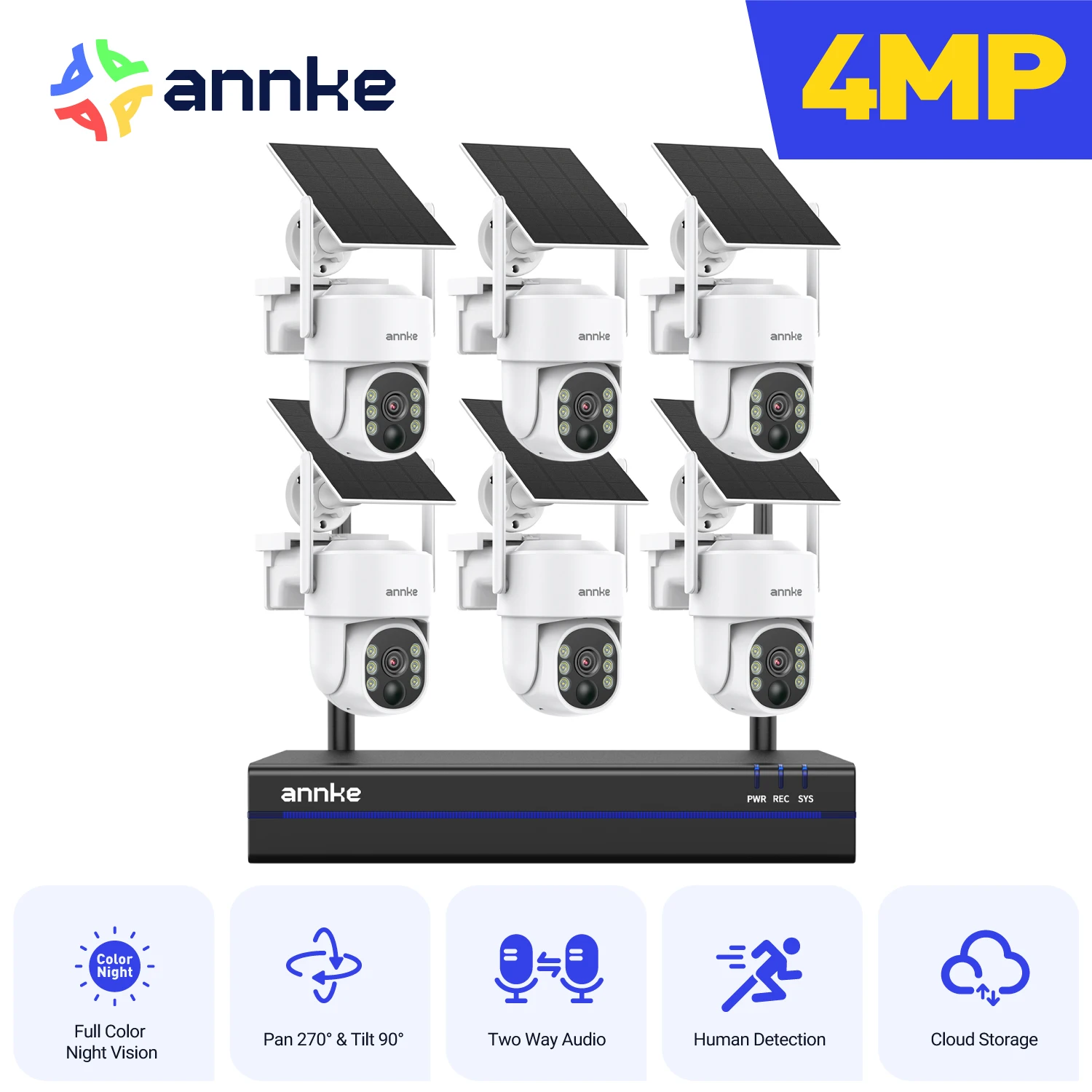
For those just starting out, the easiest path is an all-in-one solar camera. These kits, which are often highlighted in solar powered security camera reviews, bundle a camera and a perfectly matched panel together right in the box. It’s the foolproof option that guarantees your “Power Trio” works harmoniously from day one, with no technical headaches.
When you see different panel options, think less about watts and more about your camera’s “appetite.” Is it watching a busy front door, recording dozens of clips a day? It needs a more powerful panel. Is it monitoring a quiet side yard? A smaller panel will do. Of course, even the best solar powered outdoor camera is useless if its panel is stuck in the shade.
The Secret to All-Day Power: Where to Place Your Solar Panel
Think of your solar panel like a dedicated sunbather—it needs an unobstructed view of the sun to do its job. For those of us in the Northern Hemisphere, the golden rule is to point the panel south to capture the most light as the sun travels across the sky. This single adjustment is the most important factor for maximizing the energy your panel collects, whether it’s for a front-porch camera or a remote solar panel for trail camera setup.
Even a little bit of shade can be a surprisingly big problem, and it’s the most common reason a solar security camera not charging. A small, consistent shadow from a single tree branch or roof gutter is like pinching a garden hose; it doesn’t just reduce the flow of energy, it can stop it almost entirely. Before you commit to a spot, watch it for a full day to see if any sneaky shadows appear.
Finally, give your panel a slight downward tilt. This simple tweak has less to do with catching rays and more to do with self-cleaning. The angle allows rain to naturally wash away the dust, pollen, and bird droppings that would otherwise block light and reduce power. It’s a simple, set-it-and-forget-it trick that ensures your camera stays powered up with minimal maintenance.
Will My Solar Camera Work in Winter or on Cloudy Days?
This is a common question, and the answer is a reassuring “yes.” Your camera doesn’t run directly from the panel, but from the battery that the panel keeps charged. The system is designed to handle a few cloudy days or the shorter afternoons of winter. The battery acts as a power reserve, keeping your camera on guard even when the sun isn’t shining, which is the key difference when comparing solar powered vs battery powered cameras that just run down.
Think of it like an energy budget. Sunny days are your “income,” depositing power into the battery. Every time the camera records motion, it makes a “withdrawal.” A day or two with no solar income is fine; your system simply lives off its savings. The only challenge is a long, unbroken stretch of dark weather, which could eventually drain the account and affect camera battery life with a solar panel.
During these low-light periods, you can be smart about your power. Simply use your camera’s app to slightly lower the motion sensitivity or shorten recording lengths. This small “budget” adjustment reduces the camera’s energy spending, helping the battery’s savings last much longer. This simple management is how you ensure that yes, do solar cameras work in winter—and work well.
Your First Step to Wire-Free, Worry-Free Security
Top 3 Wireless Solar Powered Security Cameras 2025
Dead batteries and tangled cords no longer have to limit your camera placement. Solar power unlocks true set-it-and-forget-it convenience. The system’s strength lies in its “Power Trio”: the panel acts as the Collector, the battery is the Bank, and the camera is the Customer. This ensures reliable power around the clock, freeing your surveillance from the nearest outlet.
Before looking at a single product, take this new knowledge outside. Walk your property and find the spots that get at least a few hours of direct, uninterrupted sun. That patch of light isn’t just a warm spot anymore—it’s potential energy, waiting for you to start harnessing solar power.


AI-Integrated autonomous robotics for solar panel cleaning and predictive maintenance using drone and ground-based systems | Scientific Reports Nature...
Researchers Harness Black Metal to Turbocharge Solar Power Gizmodo...
Best Solar Security Cameras of 2025: Expert-Tested Buyer’s Guide theexaminernews.com...
Perovskite solar cells harness indoor light to potentially power home devices Notebookcheck...
You May Also Like

Smart Homes: An Introduction to the Future of Living

Role of AI in Smart Living: Boosting Efficiency and Security
