
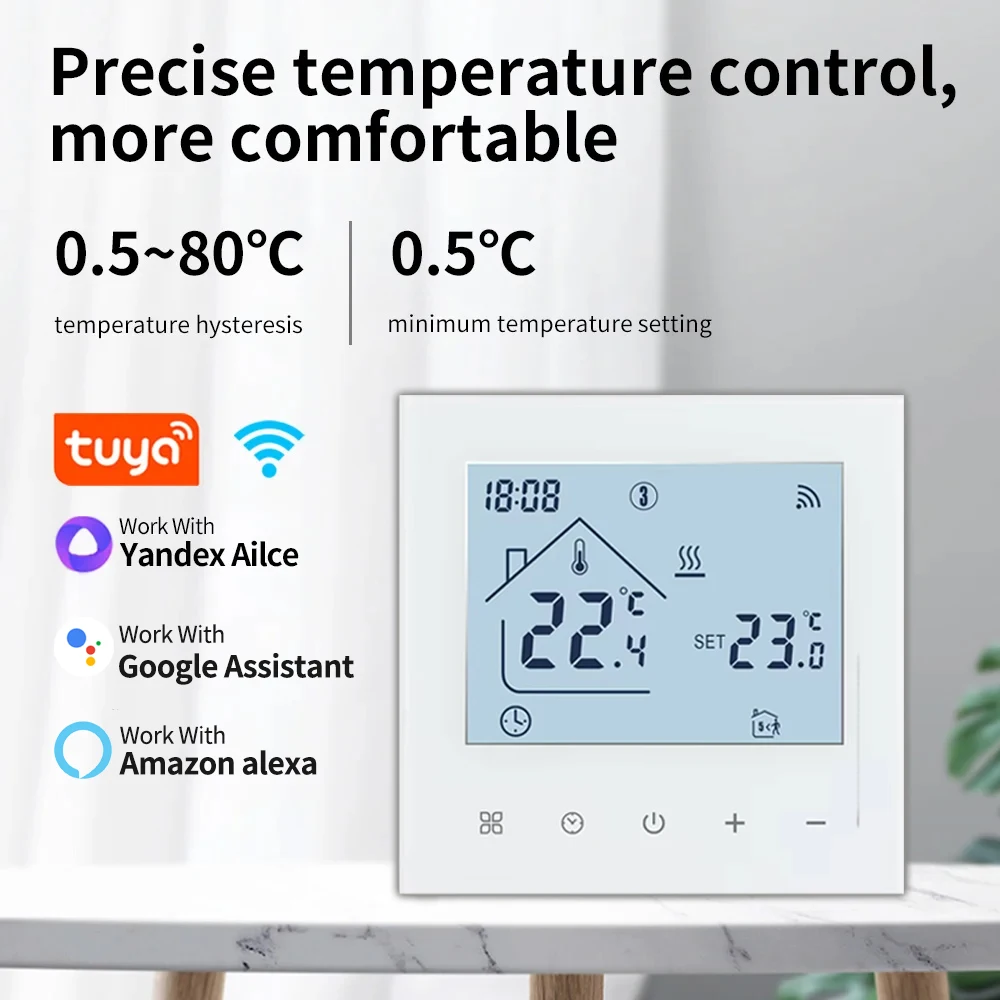
Choosing the Best Thermostat for Heat Pumps


Choosing the Best Thermostat for Heat Pumps
Ever get a winter electricity bill so high you thought it was a typo? If you have a heat pump, the culprit might not be the cold, but the small box on your wall. Using the wrong thermostat for your heat pump is like putting cheap tires on a sports car—you’re not getting the performance you paid for, and it’s costing you. A standard thermostat can’t properly manage your system, but the right one will unlock significant energy savings.
Summary
Using a thermostat designed for heat pumps is essential to prevent overusing costly auxiliary heat and to unlock meaningful energy savings. Prioritize features like multi-stage control and auxiliary heat lockout so the heat pump does most of the work, saving backup heat for true emergencies. Smart models (Ecobee, Nest) can automate these decisions using weather data and your schedule. Before buying, check for a C-wire or choose a thermostat with an adapter, and consider professional installation if unsure.

What is ‘Auxiliary Heat’ and Why Does It Drive Up Bills?
When “Aux” or “Emergency Heat” lights up on your thermostat, a massive electricity bill often follows. That’s because auxiliary heat is a set of powerful but inefficient electric heaters built into your system as a backup for the absolute coldest days. They consume a huge amount of power—much like running a portable space heater for your entire house.
The problem is that many basic thermostats are impatient. When you bump up the temperature, they often panic and immediately call for this expensive backup heat to get there faster. This happens even on mildly chilly days when your super-efficient heat pump could have handled the job alone.
A proper heat pump thermostat’s main job is to avoid this costly mistake. With smart control, it relies on the efficient heat pump first, saving the power-hungry backup for a true emergency. This intelligent management is the key to controlling winter energy bills.
Must-Have Features for a Heat Pump Thermostat
A basic thermostat is just an on/off switch, but a proper heat pump thermostat acts more like a car’s automatic transmission—choosing the right gear to save fuel. It uses specific features designed to run your system efficiently. Look for these non-negotiable features that deliver real savings:
- Multi-Stage Control: Allows your thermostat to run the heat pump in a quiet, low-power “cruising” mode. It only kicks into high gear for extreme temperatures, preventing the system from wasting energy on mild days.
- Auxiliary Heat Lockout: Your most powerful tool against high bills. This lets you set a specific outdoor temperature (e.g., 35°F / 2°C) as a boundary. Above this temperature, the thermostat is forbidden from using the expensive backup heat.
Top smart thermostats, like models from Ecobee or Nest, take this further. They use local weather forecasts and learn your schedule to make these decisions automatically, ensuring your system runs as efficiently as possible. This intelligent control unlocks the comfort and savings you expect from a heat pump.

Your Next Steps: Choosing and Installing
Before buying a new thermostat, take one simple step: check your wiring. Gently pull your current thermostat from its base and look for a wire connected to the “C” terminal. If it’s missing, choose a universal heat pump thermostat that includes a C-wire adapter kit.
This simple check empowers you to make the right choice. That box on your wall is your command center for comfort and efficiency. If you’re ever unsure about installation, calling a professional is the smartest way to guarantee perfect performance from day one.



You May Also Like

What is Smart Home Automation and Why It Matters

Why Use Smart Outlets: Transforming Home Efficiency
