
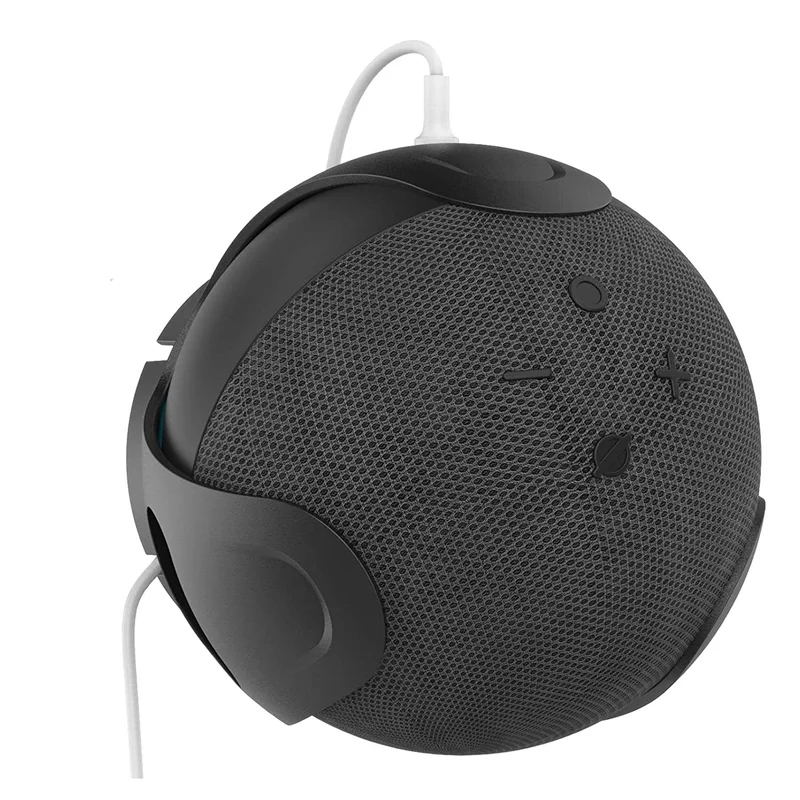
Comparison of Echo and HomePod Features


Comparison of Echo and HomePod Features
Choosing between an Amazon Echo and an Apple HomePod feels like a hardware decision, but the biggest mistake you can make is comparing the speakers themselves. The real choice isn’t about plastic and fabric; it’s about which digital assistant you’re inviting into your home: Alexa or Siri.
Think of it like picking a team captain for your house. On one side is Amazon’s Alexa, the popular, ultra-compatible player that works with almost everything. On the other is Apple’s Siri, backed by the polish and power of the iPhone, making it a natural fit for Apple users.
So, how do you decide in the Alexa vs. Siri showdown? The answer is likely already in your pocket. The two most important factors for choosing between HomePod and Echo are the phone you use every day and where you get your music, whether that’s Spotify, Amazon Music, or Apple Music.

This guide cuts through the noise by focusing on what truly matters—sound quality for your money, daily helpfulness, and ease of use—to give you a simple “choose this if…” answer based on the devices you already love.
Summary
Choosing between Echo and HomePod is really choosing between Alexa and Siri, with your phone and music service as the biggest deciding factors. Echo suits Spotify/Amazon Music users, mixed iPhone/Android homes, broader smart-home compatibility, and stronger web-knowledge answers; HomePod is best for iPhone owners and Apple Music, with tighter iOS integration, more on-device privacy, and polished ease of use. For sound, Echo Dot wins on value, HomePod Mini sounds fuller among small speakers, and Echo Studio/full-size HomePod lead at the high end. Matter is easing cross-compatibility, but today your ecosystem and habits should drive the “choose this if…” decision.

Who Plays Your Music Best? The Spotify vs. Apple Music Showdown
A smart speaker is worthless if it can’t easily play the music you already love. How your speaker handles your favorite service—whether it’s Spotify, Apple Music, or something else—is one of the most important differences between an Echo and a HomePod.
If you’re a dedicated Spotify or Amazon Music user, an Amazon Echo offers the most direct path. You just link your account once, and from then on, you can simply ask Alexa to play any song or playlist, no phone required. This straightforward connection makes it the best smart speaker for Spotify users who want a fuss-free experience.
On the other hand, the HomePod is built from the ground up for Apple Music. The integration is flawless and feels completely natural for those already in Apple’s world. For other services like Spotify, it works a bit differently. You have to start the music on your iPhone first and then “hand it off” to the HomePod using a feature called AirPlay. It’s a quick tap, but it is an extra step.
Ultimately, your choice might just come down to your music app. While sound quality is another key factor, daily convenience is critical. But playing music is only half the battle. What happens when you ask your speaker for help or a random fact?
Is Alexa Actually Smarter Than Siri? A Real-World Test
The question of whether Alexa is smarter than Siri often comes down to what you’re asking. For the everyday commands that make smart speakers so useful—setting kitchen timers, checking the weather, or playing the news—it’s a dead heat. Both assistants handle these simple requests perfectly, so you can’t go wrong with either for the absolute basics of a hands-free helper.
Where Alexa truly shines is in the world of general knowledge. Ask it a random trivia question, like “What was the first movie rated PG-13?” or a quick fact while you’re cooking, and it will almost always pull a confident answer from the web. Because it’s backed by Amazon’s massive online infrastructure, think of Alexa as the friend who’s a whiz at Trivial Pursuit; it’s fantastic with facts.
Siri’s intelligence, by contrast, is much more personal. Because it’s deeply connected to your iPhone, calendar, and messages, Siri excels at tasks like, “Read my last text message from David,” or “Add coffee to my Reminders list.” It acts more like a helpful personal secretary who already knows your life, something Alexa can’t do with the same seamless integration.
So, choosing between HomePod and Echo means deciding if you want a public librarian or a private assistant for your daily tasks. Now that we’ve covered how these speakers think and what music they play, there’s one more crucial test: how do they sound?
Sound Quality Face-Off: Which Speaker Sounds Better for the Price?
When it comes to speaker sound quality, the price tag tells you almost everything you need to know. A larger, more expensive speaker will simply produce bigger, richer sound than a smaller, cheaper one. Both the Amazon Echo and Apple HomePod lines follow this rule, offering clear tiers of audio performance for different budgets.
In the battle of the most popular small speakers, the Echo Dot is the clear value leader. It sounds perfectly fine for podcasts, background music, and chatting with Alexa. For a bit more money, however, the HomePod Mini delivers noticeably fuller, more room-filling audio that punches well above its size. If you plan on listening to a lot of music, most people agree the Mini is the better-sounding of the two compacts.
If music is your top priority, you’ll want to look at the larger models. The Amazon Echo Studio and the full-size Apple HomePod are the heavy-hitters, designed with impressive bass and high-fidelity audio that can easily become the centerpiece of a living room sound system. They represent the best performance you can get from either brand.
This gives you a clear audio ladder to climb based on your budget:
- Good: Echo Dot
- Better: HomePod Mini / Standard Echo
- Best: Echo Studio / Full-Size HomePod
Now that sound quality is sorted, we need to address the single most important factor in this entire decision.
The Most Important Question: What Kind of Phone Do You Use?
Beyond just sound quality, your choice of smartphone is the single biggest factor in this decision. This is because Apple and Amazon think about their products differently. Apple designs a tight-knit “family of devices”—like the iPhone, iPad, and HomePod—that are all created to speak the same language and work together perfectly. Amazon, on the other hand, designs Alexa to be a friendly neighbor who can talk to almost anyone, whether they’re part of the Apple family or the Android family.
If you are an iPhone user, the HomePod offers an almost magical experience right out of the box. The setup process is a perfect example of this. You simply plug in the HomePod and bring your iPhone close to it; your phone recognizes the speaker instantly and walks you through a few quick taps to get connected. It’s effortless and is easily the best smart speaker for Apple users looking for simplicity.
The Amazon Echo takes a more universal approach, which is its greatest strength. Its smart speaker setup ease of use is still excellent, but it relies on you downloading the Alexa app on your phone. Whether you have an iPhone or an Android phone from Samsung or Google, the process is the same. This makes the Echo a more flexible and safe choice for households where different kinds of phones are used.
Ultimately, you’re not just choosing a speaker; you’re choosing a team. This decision will influence which smart lightbulbs, plugs, or security cameras will be easiest to add to your home down the road, framing the capabilities of your future smart home—whether it’s run by Apple HomeKit or Alexa.

Building a Smart Home: Who’s the Better ‘Team Captain’?
If you plan to add smart devices like lightbulbs or plugs to your home, your speaker acts as the “team captain,” telling them all what to do. This is where the difference between the Apple HomeKit and Alexa smart home systems becomes crystal clear. Amazon’s Alexa acts like the friendly neighbor we mentioned—it aims to work with nearly everyone. Apple’s HomeKit, on the other hand, is more like a private club with a strict, pre-approved guest list.
This is the Echo’s biggest superpower. Because Alexa has been around for so long, thousands of smart devices are built to work with it. You’ll see the “Works with Alexa” sticker on everything from thermostats to coffee makers, at every price point. This massive smart home compatibility gives you incredible freedom and choice when you’re shopping for new gadgets. For the widest possible selection, Amazon is the undisputed leader.
In contrast, Apple’s HomeKit is far more selective. Before a smart device can “Work with Apple HomeKit,” it must pass Apple’s strict requirements for security and reliability. While this means your list of compatible devices is much shorter and sometimes more expensive, the payoff is an experience that is often more secure and seamless. Devices tend to just work, with less troubleshooting.
Thankfully, the tech world is working on a peace treaty called “Matter.” Think of it as a new universal language that helps all your smart gadgets communicate, regardless of whether you chose a HomePod or an Echo. While it’s still rolling out, Matter promises to make this decision less critical in the future. Still, Apple’s intense focus on security raises an important point for any smart speaker owner.
Who’s Listening? A Simple Look at Echo vs. HomePod Privacy
It’s the question on everyone’s mind about any smart speaker: is it always listening? The simple answer for both devices is no. An Echo or HomePod is engineered to listen only for its specific “wake word”—either “Alexa” or “Siri.” Only after it hears that magic word does it begin recording your request to process it. Before that, nothing you say is sent to Amazon or Apple.

The real difference in privacy features lies in what happens after you speak. Apple prioritizes handling requests on the device itself. For many common tasks like setting a timer or skipping a song, your HomePod processes the command right there in your home, never sending the audio to Apple’s servers. Think of it like getting an answer from someone already in the room with you.
In contrast, most requests you make to Alexa are sent to Amazon’s powerful computers to be understood. This is more like making a quick phone call for information. While this means your data travels, Amazon provides a privacy dashboard in the Alexa app. This gives you a transparent history of your voice commands, which you can review and delete at any time. It’s a choice between Apple’s on-device privacy and Amazon’s hands-on data control.
The Final Verdict: How to Choose the Right Speaker in 60 Seconds
The choice between an Echo and a HomePod becomes simple when you focus on what truly matters. The best smart speaker isn’t the one with the most features, but the one that fits seamlessly into your world—your phone, your music services, and the smart home you want to create.
To make that final step easy, here is your personal checklist for choosing between a HomePod and an Echo.

Choose an Amazon Echo if…
- You use Spotify or Amazon Music as your main streaming service.
- You have an Android phone, or your family uses a mix of different devices.
- You want the widest choice of compatible smart home gadgets for the future.
Choose an Apple HomePod if…
- You use an iPhone and Apple Music almost exclusively.
- Premium sound quality and design are your top priorities.
- You’re looking for the best smart speaker for Apple users who prefer a simple, curated setup.
You’re no longer just buying a gadget; you’re choosing the right assistant to fit seamlessly into your life.
You May Also Like

Expert Guide to Integrating Smart Gadgets for Home Automation

Role of AI in Smart Living: Boosting Efficiency and Security
