
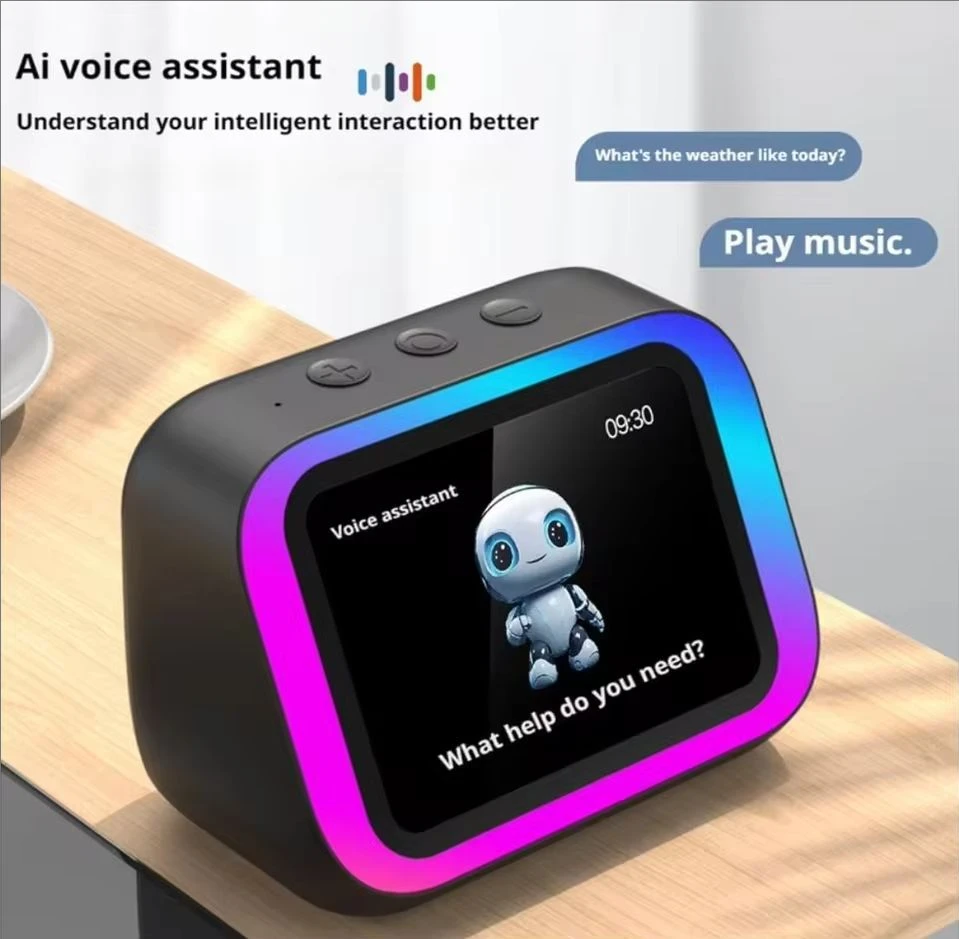
Smart speaker comparison: Bixby vs Google Home Mini, Sonos


Smart speaker comparison: Bixby vs Google Home Mini, Sonos
Thinking about getting a smart speaker, but the choices feel overwhelming? This Smart speaker comparison: Bixby vs Google Home Mini vs Sonos vs Sony is designed to help you compare smart speakers and pick confidently. You see names like Google, Sonos, and Sony, and it’s hard to know where to begin. Most people believe they’re just comparing different brands, but the real secret to choosing a smart speaker is realizing you aren’t just buying one thing—you’re hiring a “brain” and picking a “mouth” for it to speak through. These are all smart home speakers, but the right match depends on how you plan to use them.
This simple idea changes everything. The “brain” is the voice assistant, like Google Assistant or Samsung’s Bixby, which answers your questions and follows commands. The “mouth” is the physical speaker hardware that produces the sound, made by companies like Sonos, Sony, or Google itself. The key is that some of the best smart speakers combine a great brain with excellent hardware; some of the best brains can live inside different mouths, and some mouths sound much better than others.
This guide will help you navigate these choices without getting lost in technical jargon. We’ll look at how the super-smart Google brain performs in a simple Google Home Mini (now called the Google Nest Mini) versus in a premium-sounding Sony or Sonos speaker. We’ll also explore where Bixby fits in, especially if your home is already full of Samsung devices. By comparing smart speakers based on a great music experience, a genuinely helpful assistant, and a price that makes sense, you can make a great choice without being a tech expert.


The #1 Secret: It’s All About the “Brain” vs. The “Mouth”
To compare speakers effectively, you must understand that the voice assistant and the speaker are two different parts. When you compare smart speakers, think of the voice assistant—like Google Assistant or Samsung’s Bixby—as the “brain.” It’s the software that listens, understands your questions, and finds the answers. The speaker itself is the “mouth,” responsible for producing the sound you hear. A great brain is smart, but a great mouth makes everything sound better.
This separation is why the smart speaker world can feel confusing. Some companies, like Google, make both the brain (Google Assistant) and a mouth for it (the Home Mini/Nest Mini). But other companies that specialize in high-quality audio, like Sonos and Sony, build premium “mouths” and let you install a powerful “brain” like Google Assistant inside. This is a key difference between Bixby and Google Assistant; Google’s brain is available in many different mouths, while Bixby’s is designed primarily for Samsung’s. Among smart home speakers, this flexibility helps you mix and match the features you value most.
You don’t always have to choose between the smartest assistant and the best-sounding hardware. In many cases, you can have both. The real question becomes: which combination of brain and mouth is right for you?
For Music Lovers: Which Speaker Delivers the Best Sound?
If you care about how your music sounds, you’ll quickly notice the difference between a small speaker like a Google Nest Mini and a premium one. For rich, room-filling audio, the conversation turns to two names: Sonos and Sony. Both offer a massive leap in quality, but they take different approaches.
Sonos built its reputation on clean, high-fidelity (hi-fi) sound. This means the speaker aims to reproduce music as the artist intended, with crisp vocals and detailed instruments—a pure, powerful sound. This philosophy also makes Sonos the king of multi-room audio, letting you play one song in perfect sync throughout your entire house. For music-first buyers looking for the best smart speakers, Sonos often tops the list.
Sony, on the other hand, creates an immersive soundscape. Many of their speakers use 360 Reality Audio, a technology designed to make music feel like it’s coming from all around you. It’s less like listening to a recording and more like being at a live show, creating a uniquely three-dimensional experience.
Choosing between them is a matter of taste. Pick Sonos for pure, accurate sound that can easily expand to every room. Opt for a Sony speaker if you want to be enveloped by a more cinematic, 3D audio experience from a single device. Since both of these excellent “mouths” can use Google’s “brain,” you don’t have to sacrifice intelligence for sound.
For the Smartest Assistant: Why Google’s “Brain” Is Hard to Beat
Great sound is one thing, but a smart speaker is only as good as its ability to understand you. This is where the voice assistant “brain” comes in. In this arena, Google Assistant stands out as the clear front-runner for general use, thanks to its powerful search engine heritage.
The key difference lies in what each assistant is built for. Google Assistant excels at conversational queries—you can ask follow-up questions or combine requests naturally, and it will usually keep up. Bixby, on the other hand, is a specialist whose main strength is deep device integration, allowing it to control the specific settings on your Samsung phone or TV in ways Google can’t.
Think of it like this:
Ask Google: “What are some good Italian restaurants near me that are open now and have outdoor seating?” (Complex, real-world knowledge)
Ask Bixby: “Open my camera app in Pro mode and set the ISO to 400.” (Specific, on-device command)
For most people, Google’s vast knowledge base is far more useful day-to-day. This is why a speaker with Google’s brain, like a Sony or Google’s own Nest Mini, offers the most intelligent and versatile experience right out of the box among smart home speakers.
For Starting on a Budget: Is the Google Nest Mini Good Enough?
After learning that Google has the smartest assistant, you might wonder if you need an expensive speaker to get it. The answer is a resounding no. The affordable Google Nest Mini provides the exact same powerful “brain” as its pricier counterparts. The compromise, however, is purely in audio quality. When comparing budget smart speakers to premium audio options, you’re paying for a better-sounding “mouth,” not a smarter assistant.
For many situations, the Nest Mini’s sound is perfectly fine. It’s an ideal companion for a kitchen counter to set timers and play podcasts, or for a nightstand to handle alarms and weather reports. Its compact footprint also makes it a great choice for apartment living where space is limited. Just don’t expect it to be the life of your party; its small driver produces clear vocals for the assistant, but music will sound thin and lack the rich bass needed to fill a room.
The Nest Mini is a fantastic, low-risk way to bring a smart assistant into your home. You can test the waters to see how much you use it before committing more money. If you find yourself wishing for more musical oomph, you’ll know it’s worth exploring alternatives with better sound, like a speaker from Sony or Sonos.
For the Samsung Super-Fan: When Does a Bixby Speaker Make Sense?
If your home is already filled with Samsung products—from your phone to your TV and maybe even your washing machine—then Bixby suddenly becomes a compelling option. While Google Assistant is a jack-of-all-trades, Bixby is a specialist. It’s designed to be the perfect teammate for other Samsung devices, offering a level of specific control that general assistants often can’t match.
This tight integration creates what experts call a “brand ecosystem,” or a “walled garden.” Inside Samsung’s garden, Bixby is king. A Bixby-powered speaker might let you change a specific setting on your Samsung TV with your voice, a task another assistant couldn’t do. The trade-off for this deep connection is that outside of its own ecosystem, Bixby is less knowledgeable for general questions. In a direct showdown for answering random trivia, Google wins handily.
The choice is simple. If you are a dedicated Samsung user, a speaker that works with Bixby can unlock seamless control over the products you already own. For nearly everyone else, a speaker powered by Google Assistant will be a more capable and versatile companion.
Google Home Mini: How to Setup (Step by Step) w/ iPhone or Android Phone
How “Multi-Room Audio” Makes Your Music Follow You
Ever hosted a party where the music is great in the living room but disappears the moment you walk into the kitchen? This is the exact problem solved by “multi-room audio.” It allows you to group multiple smart speakers together, so they all play the same audio, perfectly in sync, with no weird echo or delay. The result is a seamless blanket of sound that fills your entire home.
While most smart speaker brands offer this, it’s the signature feature that made Sonos a household name. Using the brand’s app on your phone, you can visually group your “Living Room” and “Kitchen” speakers. With one tap, your playlist starts playing on both at the same time. In a direct comparison, the multi-room experience on a Sonos One is typically smoother and more reliable than on a more general-purpose device like the Google Nest Mini.
Creating this whole-home sound system is an investment, as it requires owning more than one speaker. Most people start with a single speaker in their main living area and then add more over time to expand their setup. It’s the ultimate upgrade for anyone who believes a great soundtrack can transform a home.

“Is It Always Listening?” A 2-Minute Guide to Smart Speaker Privacy
It’s the number one question people have: is it always listening to my conversations? The short answer is no. Think of your speaker like a well-trained dog. It’s passively hearing the sounds in the room, but it’s only waiting for its “wake word,” like “Hey Google.” Only after it detects that phrase does it begin recording your request to process an answer. Your private dinner-table chat is just background noise that the device is designed to ignore.
For moments when you want absolute certainty, every smart speaker includes a physical microphone-off switch. Pressing this button cuts all power to the microphones, preventing the device from hearing anything, including its wake word. Most speakers will display a distinct orange or red light to give you a clear, visual confirmation that the mic is off.
You also have complete control over what the speaker has recorded. Using the companion app on your phone, you can review, listen to, and even delete your entire voice command history. This level of transparency means you never have to wonder what’s been stored, giving you peace of mind as you get ready to make a final choice.

Your Smart Speaker Cheat Sheet
The world of smart speakers is much simpler when you remember the most important secret: it’s not just about the speaker, but the “brain” inside it. With this knowledge, you can confidently match a speaker’s strengths to what you actually want, whether that’s amazing audio, a super-smart assistant, or a simple, budget-friendly helper.
To make your final decision as simple as possible, here is your cheat sheet:
Buy the Google Nest Mini if… you’re starting on a budget, want a simple helper for a small space like a kitchen, or are just curious about what smart speakers can do.
Buy the Sonos One if… sound quality is your absolute #1 priority for music and you love the idea of building a multi-room audio system over time.
Buy a Sony Speaker with Google Assistant if… you want the best of both worlds: premium, room-filling audio quality combined with the intelligence of Google Assistant.
Buy a Bixby Speaker if… you are a dedicated Samsung user and want a speaker that works seamlessly with your Samsung phone, TV, and appliances.
These quick picks help you compare smart speakers at a glance, especially if you’re deciding among the best smart speakers for your home. The best smart speaker isn’t the one with the most features—it’s the one that fits most naturally into your life. You’re not just buying a piece of technology; you’re choosing a new assistant that will play the soundtrack to your dinner parties, answer your kids’ curious questions, and make your daily routine feel just a little bit more magical.


Google Home automation just got simpler Android Police...
Google confirms YouTube Music issue with Premium users hearing surprise ads Android Authority...
As Google Home Speaker reboot nears, OpenAI reportedly launching smart speaker with camera 9to5Google...
Google Home's automations, routines update is what we've been missing Android Central...

You May Also Like

7 Best Smart Security Cameras for Homeowners – 2026

Smart Outlet Dimmer Setup: Dimmable Plugs and Power Strips
